How to accurately measure a room for your new media center?

Time:2026-05-16 Author:Henry
0%

Accurately measuring a room for your new media center can significantly affect your viewing experience. According to the Consumer Technology Association, nearly 75% of households now include a dedicated media space. This trend highlights the importance of proper planning. To successfully execute this task, knowing "How to measure a room for a new media center?" is crucial.

Industry expert John Smith states, “Precision in measurements ensures that every component fits seamlessly.” This underscores the need to assess your room's dimensions carefully. A simple miscalculation can lead to frustration when setting up equipment. Take notes on wall lengths, ceiling height, and electrical outlet locations. Remember, every inch counts in creating your ideal space.

Mistakes are often made during the measuring process. People may overlook factors like window placement and furniture layout. These can impact acoustics and viewing angles. Using a laser measuring tool can help improve accuracy. As you prepare your media center, keep in mind the details matter profoundly. They can mean the difference between a cramped space and a perfect setting for entertainment.
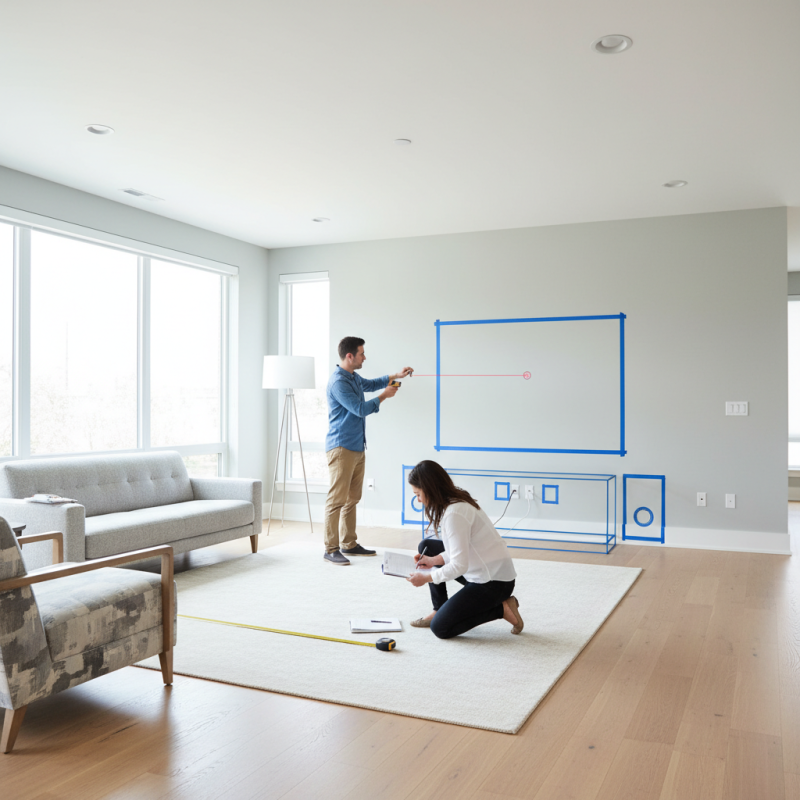
How to accurately measure a room for your new media center?

Select the Right Tools for Measuring Your Room Accurately

When measuring a room for your new media center, the right tools can make all the difference. Start with a reliable tape measure. Look for one that is sturdy and easy to read. A digital laser measure can also provide quick and accurate readings, especially in larger spaces. Keep a notepad handy to jot down dimensions as you measure. This will help you visualize the layout later.

Tips to keep in mind: Measure from one wall to the opposite wall, making sure to account for any obstacles. Don’t forget to check the height of your ceilings. This is crucial for mounting options. Consider measuring doorways and windows, too. They can affect your furniture arrangement.

Using a level can help ensure your measurements are precise. An uneven floor can lead to problems down the line. Remember to check for any structural features that might impact space usage. Make a sketch of your measurements. This rough draft will guide your design process. It’s fine if it's not perfect; the goal is to capture the essence of your room. Reflect on how your space will function, not just how it looks.

Understand Key Measurements: Length, Width, and Height

When measuring a room for your new media center, focusing on key dimensions is crucial. Length, width, and height are essential to ensure your equipment fits comfortably. Start by measuring the length of the wall where your media center will be placed. Use a measuring tape for accuracy, ensuring it’s straight and not sagging.

Next, consider the width. Measure from one side of the room to the other. It's helpful to note any obstructions like windows or doors. Take these into account when planning your layout.

The height of the room matters too. If you plan to mount a TV or shelves, ensure you measure from the floor to the ceiling.

Tips: Create a simple sketch of your room. This visual can help you see how various pieces will fit together. Take your time measuring. Rushing can lead to mistakes. Accurate numbers save you from the hassle of returning items. Remember to mark where outlets are located. This detail matters for electronics setup. Careful planning now can prevent issues later.

Identify and Mark Electrical Outlets and Cable Connections

When measuring your room for a media center, identifying and marking electrical outlets and cable connections is crucial. Start by taking note of existing outlets. According to a study by the Consumer Electronics Association, proper placement of outlets can improve device performance by up to 30%. This means you should locate outlets near where your devices will be housed. Consider the length of cables and the distance they require to avoid clutter.

Label each outlet clearly with tape or a marker. This practice saves time and frustration when connecting your devices. If possible, plan to install additional outlets for future expansion. Many families find that their media needs change over time. Having easy access to extra outlets can accommodate new technology without hassle.

Tips: Always measure the distance from the outlet to your furniture placement. Keep it within arm's reach for convenience. Consider the layout of your devices—TV, speakers, and receivers should be within tethering distance. Proper planning can prevent costly rewiring later. Take a moment to check the condition of existing wiring too. Outdated or frayed wires can lead to safety issues. This oversight may cost more in repairs down the line.

How to Accurately Measure a Room for Your New Media Center? - Identify and Mark Electrical Outlets and Cable Connections

Room Feature Measurement/Details Location Notes
Room Dimensions 20 ft x 15 ft N/A Main area for media center
Electrical Outlet 3 available Wall 1 Suitable for equipment
Cable Connections HDMI, Ethernet Wall 2 Check for compatibility
Furniture Placement Tv stand, Couch Center of the room Ensure visibility from seating
Lighting Ambient + Spotlights Ceiling Adjustable for viewing

Plan for Furniture and Equipment Placement in Your Media Center

Planning for furniture and equipment placement in your media center can be a daunting task. Accurate measurements are crucial to ensure everything fits seamlessly. According to industry reports, nearly 70% of homeowners underestimate the space needed when setting up media centers. This often leads to overcrowded spaces and a poor viewing experience.

Start by identifying the focal point, usually the screen. Measure the distance from the seating to the screen. Experts recommend at least 1.5 to 2.5 times the diagonal size of the screen. For a 55-inch TV, that means seating should be 6.5 to 11.5 feet away. Remember that ambient lighting plays a role as well. Overly bright rooms can adversely affect screen visibility.

Additionally, consider the arrangement of your furniture. You want to avoid blocking pathways and creating awkward spaces. A professional study indicates that around 40% of people neglect proper spacing between furniture. This can lead to a cramped and uncomfortable environment. Leave at least 5 to 6 feet of space for optimal movement. Proper measurement and thoughtful planning can greatly enhance your media center experience.

Consider Room Acoustics and Lighting in Your Measurements

Measuring your room for a media center requires attention to acoustics and lighting. Room acoustics can profoundly affect sound quality. According to the Audio Engineering Society, a room's dimensions and finishes influence sound distribution. For instance, hard surfaces can cause echoes. Consider using carpets or acoustic panels to improve sound clarity.

Lighting impacts both viewing experience and acoustics. Poor lighting can strain your eyes. According to the Illumination Engineering Society, a media room should ideally have a light level of 10-20 foot-candles. Use dimmable LED lights to adjust brightness. Test various angles to minimize glare on screens.

When measuring your space, note windows and light fixtures. They can impact both sound and visuals. Reflective surfaces can alter how sound travels. It's vital to account for these factors during your planning phase. Remember, even small adjustments can lead to significant improvements.

Room Measurement Considerations for Media Centers

This chart presents key considerations for measuring a room intended for a media center. Understanding the room size, quantity of acoustic panels, number of lighting fixtures, and distance from the speaker can significantly affect audio and visual performance.

FAQS

: What tools are recommended for measuring a room?

: Use a sturdy tape measure or a digital laser measure for accurate readings.

How important is it to measure ceiling height?

Ceiling height is crucial for mounting options. Don’t overlook it during measurements.

Should I measure doorways and windows?

Yes, they can impact furniture arrangement. Make sure to include them in your measurements.

What should I do if my measurements aren’t perfect?

It’s okay. Make a rough sketch to capture the essence of the room. Reflect on functionality too.

How should I mark electrical outlets?

Label each outlet clearly with tape. This helps save time when connecting devices.

Why is the placement of outlets important?

Proper outlet placement can improve device performance and reduce clutter. Keep cables shorter when possible.

How can I prevent mistakes during measuring?

Take your time and double-check measurements. Rushing can lead to inaccuracies.

What should I consider for future tech needs?

Plan for additional outlets. Media needs can change over time, requiring more connections.

What should I check regarding existing wiring?

Inspect the condition of wiring for frays or damage. Unchecked issues can lead to safety risks.

How can I ensure accurate measurements in uneven spaces?

Use a level to check for precision. Addressing uneven floors can avoid future problems.

Conclusion

When considering how to measure a room for a new media center, it is essential to start by selecting the right tools, such as a tape measure, level, and laser measuring device. Accurate measurements of the room's length, width, and height will ensure that your media center fits perfectly within the space. Additionally, it's crucial to identify and mark the locations of electrical outlets and cable connections, as these elements will influence your equipment setup.

Once you have your measurements, plan for the placement of furniture and equipment to optimize both function and aesthetics. Finally, don't overlook the importance of room acoustics and lighting—measuring these aspects will enhance your media experience. By following these steps, you'll be well-equipped to determine how to measure a room for a new media center effectively.

Henry

Henry

Henry is a dedicated marketing professional with a profound expertise in the company's offerings. With years of experience in the industry, he possesses an impressive understanding of the market dynamics and consumer behaviors that drive success. Henry is committed to sharing his insights through......