When creating a safe environment for children, the materials used in furniture play a crucial role. Parents often ask, "What are the best materials for children’s furniture safety?" This question is essential when selecting items for nurseries, playrooms, or bedrooms.
Finding furniture made from safe materials ensures that children can explore and play without harm. Common choices include solid wood and non-toxic finishes. However, not all finishes are safe. It’s vital to look for certifications like Greenguard or ASTM. These labels reflect a commitment to safety.
While many manufacturers promote their products as child-friendly, parents must research thoroughly. Some materials may contain harmful chemicals. It's important to reflect on the impact of these choices. Selecting the best materials can be a daunting task, but informed decisions lead to a safer home.
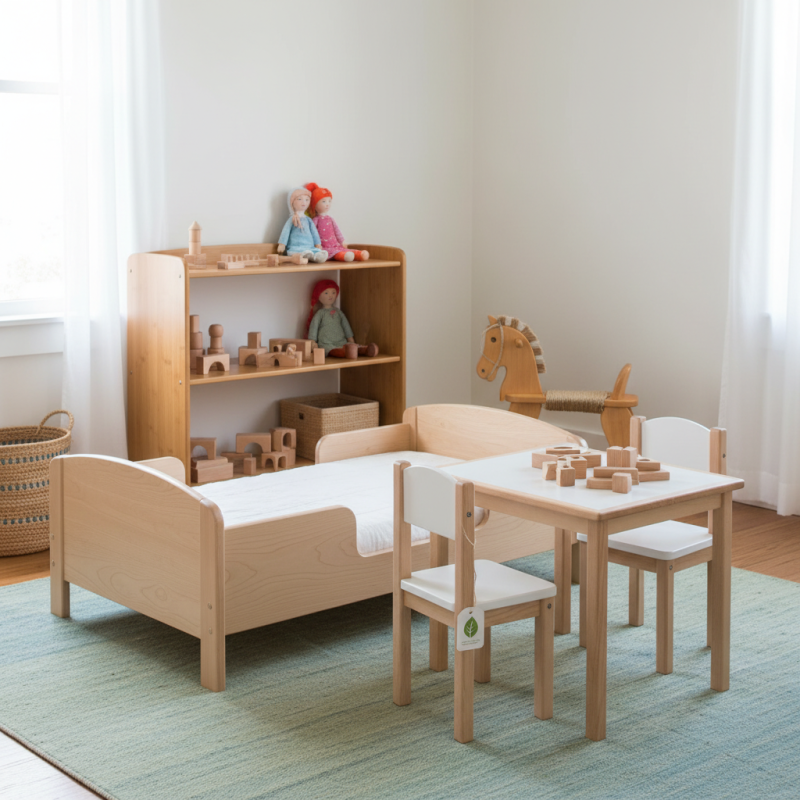
When choosing materials for children's furniture, safety is paramount. Many parents are unaware of the hidden dangers in common materials. For instance, a study by the U.S. Consumer Product Safety Commission found that nearly 4 million children visit emergency rooms each year due to furniture-related accidents. This highlights the need for safer furniture choices.
Wood is often favored for children's furniture, but its treatment is crucial. Paints and finishes may contain harmful chemicals. A report from the Environmental Protection Agency indicates that volatile organic compounds (VOCs) can affect children's respiratory systems. Opting for solid wood, free of harmful treatments, can reduce these risks.
Another consideration is upholstery. Furniture covered with treated fabrics can harbor toxic flame retardants. Research by the American Academy of Pediatrics suggests that these chemicals are linked to health issues in children, including developmental delays. Buying organic, untreated fabrics ensures a safer environment.
Parents must question the safety of materials. Being informed is essential for creating a healthy living space for kids.
When choosing furniture for children, safety is the top priority. Non-toxic materials are essential. Parents should look for woods that are free from harmful chemicals. Solid hardwoods, like maple or birch, are great choices. They offer durability while being safe for kids. Avoid pressed wood products, as they often contain harmful adhesives.
Soft textiles can also be safe options. Organic cotton and linen are breathable and non-toxic. These materials do not emit harmful VOCs. Using non-toxic dyes can further ensure safety. Look for fabrics that are certified to be free from harmful substances.
It’s important to be aware that not all materials are created equal. Some finishes may contain harmful chemicals. Researching and understanding labels can be confusing. Always ask about the production process. Opting for environmentally friendly options is a wise step. Parents can make informed decisions when knowledge is prioritized. Promoting safe spaces for children should not be a luxury but a standard practice.
When choosing furniture for children, safety is paramount. Understanding safety standards helps ensure the products are reliable. Various organizations set these standards, ensuring the furniture is tested and certified for safety. For instance, the American Society for Testing and Materials (ASTM) provides guidelines that manufacturers must follow. This includes materials that do not emit harmful chemicals.
Parents should look for certifications when selecting children's furniture. GreenGuard certification ensures low chemical emissions, making it safer for indoor use. Another important certification is the Consumer Product Safety Commission (CPSC) compliance. Furniture adhering to CPSC guidelines has undergone rigorous testing. However, it is key to note that not all products clearly display these certifications.
While these standards provide reassurance, they are not foolproof. Some materials may still pose risks, especially as children grow. It's wise to regularly inspect furniture for wear or damage. Small defects can lead to larger safety issues. Being informed and vigilant empowers parents to create a safer environment for their children.
When selecting children's furniture, sustainability matters. Eco-friendly materials not only promote health but also protect the planet. Look for wood sourced from responsibly managed forests. Bamboo is another great choice. It grows quickly and reduces deforestation.
Non-toxic finishes are essential. Many traditional paints and varnishes contain harmful chemicals. Opt for water-based or plant-based finishes. This small switch can make a significant difference in indoor air quality. Child-safe adhesives are important too; make sure they meet safety standards.
Remember, not all sustainable options are perfect. Some materials may still have environmental impacts. Reflect on the lifecycle of the products you choose. Consider durability; furniture that lasts may be the best eco-friendly choice in the long run. A thoughtful approach can lead to a safer living space for your kids.
When choosing furniture for children, safety is paramount. Many common materials can pose significant hazards. For instance, particleboard and MDF often contain formaldehyde, a harmful chemical linked to respiratory problems. These materials can emit toxic fumes, especially in poorly ventilated areas. Opting for solid wood can reduce exposure to such harmful substances.
Another concern is the finish on furniture. Some paints and varnishes contain volatile organic compounds (VOCs), which can be hazardous. Children are particularly vulnerable to such chemicals due to their developing bodies. Look for zero-VOC or low-VOC products. They provide safer alternatives without compromising on aesthetics.
Tips for ensuring safety: Always choose furniture with smooth edges. This minimizes the risk of cuts and bruises. Regularly inspect furniture for loose parts that could pose choking hazards. If your child is prone to accidents, avoid glass surfaces entirely. Creating a safe environment is essential for your child’s well-being. Consider these factors carefully when selecting furniture.
: Solid hardwoods like maple or birch are ideal. They are durable and safe.
Yes, organic cotton and linen are good choices. They are non-toxic and breathable.
Pressed wood often contains harmful adhesives. It may release toxic chemicals into the air.
Look for water-based or plant-based finishes. They reduce harmful chemical exposure indoors.
Bamboo grows quickly and helps reduce deforestation. It is an eco-friendly material overall.
Not always. Some sustainable materials can still have environmental impacts. Research is important.
Look for fabrics certified to be free from harmful substances. This ensures lower toxin exposure.
Understanding production helps ensure safety. Labels can be misleading, so knowledge is key.
Consider the materials and design. Durable furniture lasts longer and is often more eco-friendly.
Eco-friendly options typically emit fewer harmful VOCs. This leads to a healthier environment for children.
When considering "What are the best materials for children’s furniture safety?", it's essential to prioritize safe and non-toxic options. An overview of suitable materials reveals that organic cotton, natural wood, and non-toxic finishes are highly regarded for children's furniture. These materials not only ensure safety but also provide a comfortable and healthy environment for kids to grow and play.
Understanding the safety standards and certifications relevant to children's products is crucial for parents choosing furniture. Additionally, sustainable and eco-friendly options contribute to a safer planet for future generations. However, it's important to remain aware of potential hazards in common materials, such as harmful chemicals or choking hazards, ensuring that the furniture selected is free from such risks. Overall, opting for safe, sustainable, and non-toxic materials can greatly enhance the well-being of children.

ADC Furniture