How to Choose Tempered Glass for Modern End Tables?

Time:2026-07-16 Author:Oliver
0%

Choosing the right tempered glass for modern end tables is a crucial step for creating a stylish and functional living space. According to Dr. Emily Carter, a leading expert in material science, "Tempered glass is favored in contemporary furniture for its durability and safety." This is particularly important for end tables where daily use can pose risks.

Why is tempered glass used for most modern end tables? The answer lies in its unique properties. It is stronger than regular glass, making it resistant to scratches and impacts. This ensures that furniture remains attractive even after years of use. Moreover, tempered glass shatters into small, blunt pieces instead of sharp shards, providing a safer option for homes with children or pets.

However, not all tempered glass is created equal. Some tables may use thinner sheets, affecting their strength and longevity. It’s essential to consider the quality and thickness when selecting glass for your end tables. Reflecting on these aspects can guide you to make an informed decision. Balancing aesthetics with functionality will lead to a beautiful and safe environment in your home.
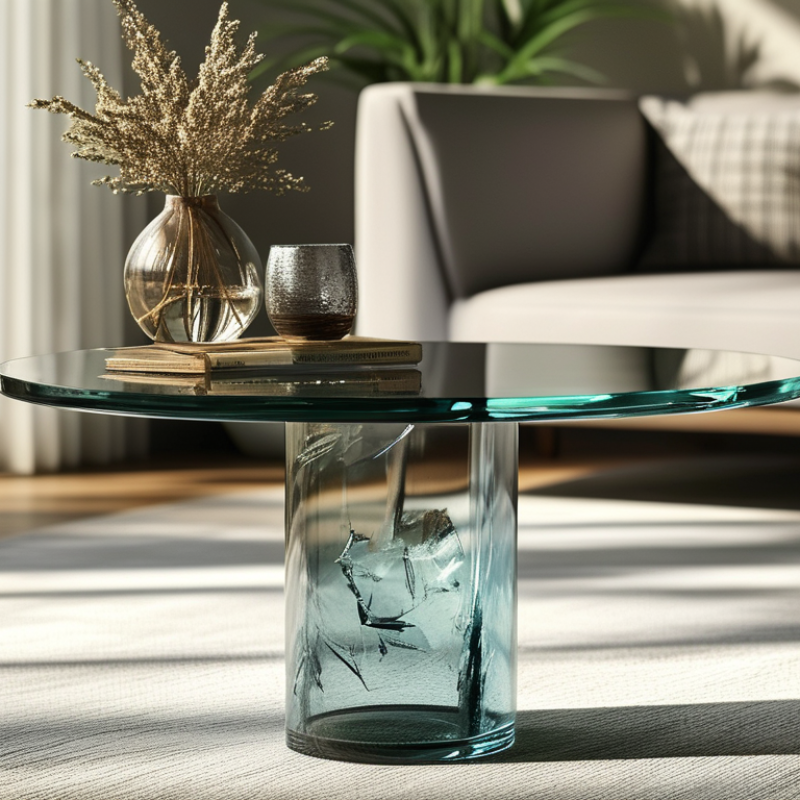
How to Choose Tempered Glass for Modern End Tables?

Understanding the Benefits of Tempered Glass in Modern End Tables

Tempered glass is an increasingly popular choice for modern end tables. Its strength is remarkable. Research shows that tempered glass can withstand up to five times more impact than regular glass. This makes it a suitable option for families with children or active households. Safety is a primary concern, and tempered glass shatters into small, blunt pieces rather than sharp shards. This significantly reduces injury risk.

Another key benefit is the aesthetic appeal of tempered glass. Its sleek and modern look fits seamlessly into various design styles. It reflects light beautifully, enhancing the overall ambiance of a living space. Data from interior design studies indicate that glass surfaces can create an illusion of more space in smaller rooms. This factor is particularly advantageous in urban living environments where space is at a premium.

Despite its advantages, there are some considerations. Tempered glass is not completely impervious to scratches. Over time, it may require careful handling to maintain its pristine look. Additionally, while it offers strength, it can still crack under extreme pressure or heat. Understanding these nuances can help consumers make informed decisions, ensuring a balance between style and functionality in their interior choices.

Key Factors to Consider When Choosing Tempered Glass Thickness

When selecting tempered glass for modern end tables, thickness is crucial. The right thickness ensures durability and safety. Most options range from 5mm to 15mm. A glass thickness of 8mm is often adequate for smaller tables. Thicker glass, around 10mm or more, is better for larger surfaces.

Consider the intended use. If your table will hold heavy items, opt for thicker glass. It provides better resistance to impact and stress. Also, thicker glass reduces the chance of chipping. Keep in mind that heavier glass means a heavier frame. This factor affects the overall design and style of your end table.

Don't overlook the aesthetic aspect. Thinner glass can create a light, airy feel. It is ideal for minimalist designs. However, it may look fragile. Users often perceive thicker glass as more luxurious. Weigh your options and reflect on your space. Ensure the glass complements both functionality and design. A balance of practicality and style will enhance your living area.

Tempered Glass Thickness for Modern End Tables

Comparing Tempered Glass Types: Clear, Frosted, and Tinted Options

When choosing tempered glass for modern end tables, it’s essential to consider the type of glass that best suits your aesthetic and functional needs. Clear tempered glass is popular for its sleek and unobtrusive look. It allows light to pass through, creating an illusion of space, which is vital in contemporary designs. According to the National Glass Organization, 55% of homeowners prefer clear options for this reason.

Frosted tempered glass provides a touch of elegance and privacy. It diffuses light without compromising brightness. Many designers appreciate its ability to hide fingerprints and smudges, which can be particularly beneficial in high-traffic areas. A study by the Glass Association of North America indicates that frosted glass can reduce glare by 30% compared to clear glass, enhancing visual comfort.

Tinted tempered glass is another intriguing option. It offers a unique aesthetic and can help regulate interior temperatures. It’s often used in settings that experience direct sunlight. However, while it adds style, darker tints can limit the available light. Balancing these factors is key. Individual preferences will vary, and what suits one space may not be ideal for another. Experimenting with samples could lead to a more satisfying choice.

How to Choose Tempered Glass for Modern End Tables?

Glass Type Transparency Durability Aesthetic Appeal Price Range
Clear Tempered Glass High Transparency Very Durable Classic Look $50 - $150
Frosted Tempered Glass Moderate Transparency Very Durable Sleek, Modern $70 - $180
Tinted Tempered Glass Low to Medium Transparency Very Durable Stylish, Unique $60 - $200

Evaluating Safety Standards and Certifications for Tempered Glass

When selecting tempered glass for modern end tables, safety standards are crucial. Tempered glass is treated through controlled thermal processes, enhancing its strength. However, not all tempered glass meets the same safety criteria. Industry studies indicate that glass meeting ASTM C1048 standards is less likely to shatter under stress.

Evaluating certifications can provide insight into glass quality. Look for glass certified by organizations like the American National Standards Institute (ANSI). This ensures durability and safety. The ASTM International report shows that about 80% of glass failures happen due to defects or improper handling during manufacture. Without proper certifications, consumers may unknowingly use low-quality glass.

Tips: Always ask suppliers for certification documentation. Check for visible labels on the glass itself. Regularly inspect the glass for chips or cracks, which can weaken its structure. Proper mounting and regular checks help maintain safety over time. Even the best materials can fail if not correctly installed or maintained.

Design Trends: Incorporating Tempered Glass into Contemporary Furniture

In modern furniture design, tempered glass has become a popular choice for end tables. This material is celebrated for its strength and durability. According to a 2022 market report, tempered glass furniture sales grew by 15% over the past year. Designers appreciate its ability to blend seamlessly with various styles. However, balancing aesthetics with practicality is essential.

Tempered glass offers a sleek, minimalist look that enhances a room’s ambiance. It reflects light beautifully, creating an illusion of space. Many homeowners gravitate toward glass for its versatility. Yet, it requires careful consideration regarding design. While the material elevates contemporary decor, it can also show fingerprints and smudges. Regular maintenance is necessary to keep it looking pristine.

Integrating tempered glass into furniture necessitates understanding trends. Industrial design often pairs glass with metal or wood, offering contrast. Some designers experiment with shapes and finishes to stand out. However, not all designs resonate with consumers. It’s vital to listen to feedback and adapt. Embracing imperfections can lead to innovative results that reflect individual tastes.

FAQS

: What thickness is ideal for tempered glass tables?

: Thickness ranges from 5mm to 15mm. For smaller tables, 8mm is often sufficient.

Why choose thicker glass for heavy items?

Thicker glass provides better resistance to impact and stress. It also reduces the chance of chipping.

How does glass thickness affect table design?

Heavier glass requires a sturdier frame, impacting overall design and style choices.

What are the benefits of clear tempered glass?

Clear glass creates an illusion of space and allows light to pass through. It's a sleek, popular choice.

Why consider frosted tempered glass?

Frosted glass offers elegance, privacy, and hides fingerprints well. It diffuses light nicely while providing comfort.

What are the downsides of tinted tempered glass?

Tinted glass can regulate temperatures but may limit available light. Choose wisely based on your space.

What should you reflect on when choosing glass type?

Think about functionality, design, and how it fits your personal style. Balancing these aspects is key.

Is thinner glass always the better choice for aesthetics?

Thinner glass gives a light feel. However, it might appear fragile, which can be a concern.

How does glass type influence visual comfort?

Frosted glass can reduce glare by 30%. This enhances comfort in high-traffic areas significantly.

Should I experiment with glass samples before deciding?

Yes, sampling can lead to a more satisfying outcome. It helps you find what truly fits your needs.

Conclusion

When selecting tempered glass for modern end tables, it's essential to understand its numerous benefits, including durability, safety, and aesthetic appeal. Why is tempered glass used for most modern end tables? Its strength and resistance to breakage make it a preferred choice, ensuring longevity in furniture design.

Key factors to consider include the thickness of the glass, which enhances stability, and the different types available—clear, frosted, or tinted—allowing for customization to fit various decor styles. Additionally, evaluating safety standards and certifications guarantees the glass meets industry requirements. Incorporating tempered glass into contemporary furniture not only adds elegance but also aligns with current design trends, making it an ideal material for those looking to elevate their living spaces.

Oliver

Oliver

Oliver is a seasoned marketing professional with a wealth of expertise in driving brand awareness and engagement. With a deep understanding of our company's product offerings, he consistently delivers high-quality content that enriches our professional blog. His insights not only shed light on......