How to Clean Accent Chairs Without Water Marks 2026?

Time:2026-09-19 Author:Sophia
0%

Accent chairs add warmth, color, and personality to a room, but their fabric can reveal every cleaning mistake. A pale ring around a coffee spill often looks worse than the original stain. In 2026, careful upholstery cleaning still depends on patience, fabric knowledge, and controlled moisture rather than expensive products. How to clean fabric accent chairs without leaving water marks? The answer begins with the care label, not the cleaning bottle. Check whether the fabric is marked W, S, WS, or X. That small code determines which methods are reasonably safe.

A dependable approach combines gentle vacuuming, spot testing, measured application, and thorough drying. Remove crumbs from seams with a soft brush attachment. Test any solution behind the chair or beneath the cushion. Use a barely damp white cloth, never a soaking sponge, and work from the outer edge toward the center. Blot carefully. Do not scrub aggressively, because friction can flatten fibers or spread dye. For larger areas, clean the entire panel evenly instead of treating one isolated patch. This helps prevent visible moisture borders.

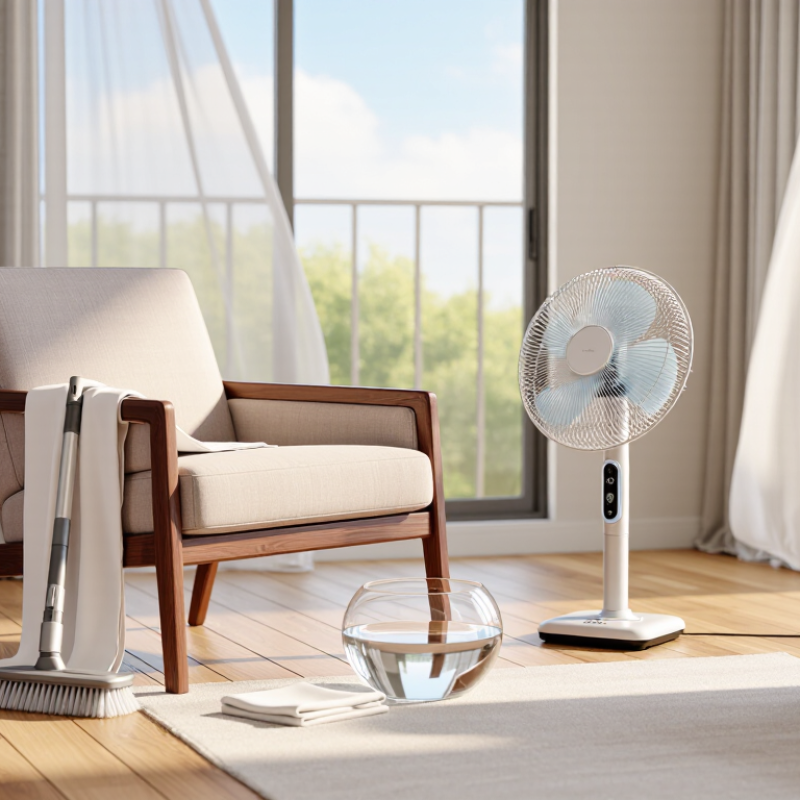
Drying deserves equal attention. Open a window, run a fan, and keep the chair away from direct heat. Slow drying can create odors or uneven shading. Still, no method guarantees perfection. Some fabrics react unpredictably, especially older velvet, linen blends, and upholstery with weakened dyes. I have learned that stopping early is sometimes wiser than forcing a stubborn stain. When the label is unclear or the chair is valuable, consult a certified upholstery professional. Careful decisions protect both the fabric and the furniture’s long-term appearance.
How to Clean Accent Chairs Without Water Marks 2026?

Identify the Accent Chair’s Fabric and Water-Mark Risk

How to Clean Accent Chairs Without Water Marks 2026?

Before cleaning an accent chair, identify its fabric and its reaction to moisture. Check the care label beneath the seat or along the frame. If no label exists, inspect the weave, shine, and texture under daylight. Cotton and linen often absorb unevenly, leaving dark rings as they dry. Rayon can distort or develop stiff patches. Velvet may show pressure marks, while polyester usually tolerates controlled moisture better.

Do not guess from appearance alone. Place a white cloth on a hidden area and apply one tiny drop of distilled water. Wait several minutes, then check for color transfer, swelling, or a visible edge. A sharp drying line signals high water-mark risk.

Test again with a barely damp cloth, not a soaked sponge. Less moisture is safer. Very little.

I have mistaken a rayon blend for cotton before, and the damp patch dried with a dull halo. That mistake changed my process. I now photograph the fabric, record its fiber clues, and test an unseen seam before touching the visible upholstery. If the chair has unknown fibers, loose dye, glued trim, or an old finish, avoid full wet cleaning. A qualified upholstery cleaner can assess the material more safely. Even then, ask how they will control moisture, drying speed, and fabric distortion.

Prepare Dry-Cleaning Tools and Test an Hidden Area

How to Clean Accent Chairs Without Water Marks in 2026?

Prepare dry-cleaning tools before touching the fabric. You will need a vacuum with an upholstery attachment, a soft brush, white absorbent cloths, a dull spoon, and a fabric-safe dry-cleaning solvent. Wear gloves and improve airflow around the chair. Uneven moisture often creates pale rings, especially on textured or dark upholstery. The U.S. Environmental Protection Agency recommends drying damp materials within 24 to 48 hours, reducing conditions that support microbial growth. This timing is practical, but it is not a guarantee against marks.

Inspect the care label and photograph existing stains. Then test an inconspicuous area under the seat or behind the back panel. Apply a small amount of solvent to a white cloth, never directly onto the chair. Blot gently for ten seconds and check for color transfer, texture changes, or a sticky finish. Wait until the test area dries completely. Some fabrics look safe while wet, then change shade later. IICRC S300 guidance emphasizes inspection and pretesting before upholstery cleaning, which supports this cautious method.

Vacuum loose dust first. Work from the stain’s outer edge inward, using short presses instead of rubbing. I sometimes overestimate how little solvent is needed; that mistake can spread residue. Stop if the fabric feels stiff, smells strongly, or releases dye. Allow the chair to dry naturally, away from direct heat.

Remove Dust, Dirt, and Stains Without Adding Moisture

How to Clean Accent Chairs Without Water Marks in 2026?

Dry cleaning begins with controlled dust removal. The U.S. Environmental Protection Agency reports that indoor pollutant levels can be two to five times higher than outdoors. Dust trapped in chair fabric deserves attention. Use a vacuum with adjustable suction and a clean upholstery attachment. Move slowly across seams, piping, and beneath cushions. A soft brush can loosen grit without roughening delicate fibers. Test every method on a hidden area first.

For dry stains, lift crumbs with a dull spoon. Do not rub them deeper. For oily marks, apply a small amount of absorbent powder, then wait 20 to 30 minutes. Remove it gently with the vacuum. The Institute of Inspection Cleaning and Restoration Certification places fabric inspection and colorfastness testing at the center of professional upholstery cleaning practice. That matters because one chair may contain several fibers, coatings, or backing materials.

I still make mistakes here. I once brushed a velvet-like fabric too aggressively and changed its nap direction. A white microfiber cloth can help lift a fresh stain, but it should stay dry. Blotting pressure must remain light. Avoid sprays, steam, wet wipes, and household detergents when preventing water marks. Moisture can spread a ring beyond the original stain. If the fabric label warns against liquid cleaning, stop and consult a qualified textile cleaner. Some marks need expertise, not persistence.

How to Clean Accent Chairs Without Water Marks in 2026: Remove Dust, Dirt, and Stains Without Adding Moisture
Cleaning Situation Suitable Surface or Fabric Dry-Cleaning Method Recommended Tool Working Time Water-Mark Risk Important Precaution
Loose dust and surface debris Most upholstery fabrics, including cotton blends, polyester, linen blends, and microfiber Vacuum slowly from top to bottom. Use overlapping passes and lift removable cushions before cleaning underneath. Upholstery nozzle with soft bristles 5–10 minutes Very low Keep the vacuum setting gentle enough to avoid pulling loops or flattening the nap.
Dust in seams, piping, and button tufting Tufted or detailed accent chairs Brush debris toward the nozzle, then vacuum the crevices without pressing hard against the fabric. Soft detailing brush and crevice tool 5–15 minutes Very low Do not force the crevice tool into stitching, because it can catch threads or damage piping.
Dry soil or dried mud Durable woven upholstery and many synthetic fabrics Allow the soil to dry completely, loosen it gently with a soft brush, and vacuum the particles. Soft upholstery brush and vacuum 10–20 minutes Very low Never scrub wet mud into the fibers. Remove as much dry material as possible first.
Fresh crumbs or food particles All upholstery types Lift large pieces with a spoon or card, then vacuum the remaining particles. Plastic card, spoon, and upholstery nozzle 2–5 minutes Very low Avoid crushing oily food into the fabric, since grease can spread beyond the original spot.
Small dry grease or oil residue Only fabrics whose care instructions permit dry powder treatment Cover the spot with a small amount of absorbent powder. Leave it undisturbed, then brush and vacuum it away. Plain absorbent powder, soft brush, and vacuum 30–60 minutes Low Use a hidden-area test first. Do not use powder on velvet, suede, leather, or fabrics with a delicate raised finish unless approved by the care label.
Light odor without visible staining Many colorfast woven synthetic fabrics Improve ventilation, vacuum thoroughly, and use a fabric-safe dry deodorizing powder only if the manufacturer allows it. Vacuum, ventilation, and approved dry deodorizer 15–30 minutes Low Odor can indicate mold, pet contamination, or trapped moisture. Persistent odors require professional assessment rather than repeated powder use.
Surface pet hair Most tightly woven upholstery Remove hair mechanically before vacuuming. Work in short strokes in one direction to gather embedded fibers. Rubber grooming glove or upholstery hair-removal tool 5–15 minutes Very low Test rubber tools on a concealed section, especially on loosely woven or looped fabrics.
Lightly soiled microfiber Microfiber marked with an “S” or “W/S” care code Vacuum first. For “S” or “W/S” upholstery, use a manufacturer-approved solvent-based upholstery cleaner sparingly and agitate only as directed. Vacuum and approved solvent upholstery product 10–20 minutes Low when correctly applied Do not substitute water for a solvent cleaner on “S”-coded fabric. Always test for color transfer and texture change.
Velvet or raised pile upholstery Velvet, velour, chenille, and other pile fabrics Vacuum with a soft brush attachment in the direction recommended by the manufacturer. Finish by gently restoring the pile with a soft brush. Low-suction vacuum and soft velvet brush 5–10 minutes Very low Avoid vigorous rubbing, adhesive rollers, and unapproved powders, which may flatten or disturb the pile.
Leather or faux leather surface dust Finished leather and many coated synthetic leather surfaces Dust with a dry microfiber cloth, then vacuum seams using a soft brush attachment. Dry microfiber cloth and soft brush nozzle 5–10 minutes Very low Use only a cleaner and conditioner specifically approved for the material. Do not use fabric powder on leather.
Unknown fabric or missing care label Any upholstery with uncertain fiber content or finish Use dry vacuuming only until the material is identified. Photograph the care label or consult the chair manufacturer or a professional cleaner. Soft upholstery nozzle and flashlight 5–15 minutes Very low Do not apply solvents, powders, or liquid cleaners to an unidentified fabric without a hidden-area compatibility test.
Care-code guide: “W” generally permits water-based cleaning, “S” indicates solvent-based cleaning, “W/S” permits either method when approved by the manufacturer, and “X” indicates vacuuming or light brushing only. Care labels and manufacturer instructions take priority over general cleaning guidance. Test every product on a concealed area first, and avoid over-wetting, which is a common cause of water rings and uneven drying.

Clean the Upholstery Evenly to Prevent New Water Marks

How to Clean Accent Chairs Without Water Marks 2026?

Clean the upholstery evenly to prevent new water marks. Water marks usually appear when fabric dries unevenly. Dirty moisture travels toward dry edges, leaving a visible ring. IICRC S100 upholstery guidelines recommend testing fabric, controlling moisture, and avoiding over-wetting. The U.S. Environmental Protection Agency recommends keeping indoor humidity between 30% and 50%, which also supports more predictable drying. Small details matter.

Vacuum the chair first, including seams and under the cushion. Check the care label, then test a hidden area for color bleeding. Use a measured amount of low-moisture solution across the entire fabric panel, not only the stain. Work in overlapping strokes. Keep the pressure consistent. A clean white towel should feel damp, never soaked. I usually clean from seam to seam, because isolated spot cleaning can create a lighter patch. That mistake is easy to make.

After cleaning, remove moisture with a dry towel and gentle extraction. Place the chair in moving air, but avoid intense heat, which may set rings or distort fibers. Rotate cushions during drying. The process can feel slow. Rushing often causes the mark you wanted to remove. Recheck the fabric after it fully dries, because damp upholstery can hide uneven color and remaining soil.

Dry, Brush, and Inspect the Chair for a Uniform Finish

How to Clean Accent Chairs Without Water Marks in 2026

Dry cleaning keeps accent chairs safer when moisture could leave rings or dark edges. Begin by checking the care label and photographing existing stains. This creates a useful record before cleaning. Vacuum the seat, seams, piping, and underside with a low-suction attachment. A soft upholstery brush can loosen crumbs without flattening delicate fibers. Work slowly around buttons and raised stitching. I once rushed this step and pushed dust deeper into the fabric.

Tips: Test every method on a hidden area. Use a clean, pale cloth and a small amount of dry upholstery powder. Brush it gently in one direction, then remove it completely with slow vacuum passes. Never mix cleaning products. Strong rubbing may create a lighter patch, even when the stain disappears. Ventilate the room, but avoid placing the chair in harsh sunlight.

Dry, brush, and inspect the chair under even daylight. Move around it and check the seat, arms, back, and lower edges from several angles. Uneven brushing can make velvet or textured fabric appear patchy. Repeat light passes rather than pressing harder. For oily marks, pause and consult a trained upholstery cleaner before adding moisture. Some stains need professional treatment, and guessing can damage the weave. The finish may look slightly different after cleaning; that is worth noticing, not hiding. A final gentle brush should align the nap and help the whole chair look consistent.

How to Clean Accent Chairs Without Water Marks in 2026

Typical task time for a dry-first upholstery cleaning routine

A dry-first process helps limit uneven moisture: brush away loose soil, use minimal moisture only where needed, allow the fabric to dry evenly, and inspect the chair under consistent light. The times shown are practical planning estimates; always follow the chair’s care label and test an inconspicuous area first.

FAQS

What tools are needed to clean an accent chair without water marks?

Prepare an upholstery vacuum attachment, soft brush, white cloths, dull spoon, and fabric-safe dry-cleaning solvent. Wear gloves. Improve airflow.

Why should I test a hidden area before cleaning?

Hidden testing reveals color transfer, texture changes, or sticky residue. Apply solvent to a white cloth, never directly to fabric. Wait until dry.

How can I remove loose dust safely?

Vacuum the seat, seams, piping, underside, and beneath cushions. Use low suction. Brush crumbs gently around buttons and raised stitching.

How does uneven moisture create water marks?

Moisture can carry dirt toward dry edges, leaving pale rings or dark borders. Clean the whole fabric panel evenly. Avoid soaking.

Should I clean only the visible stain?

Usually, clean from seam to seam. Spot cleaning can create a lighter patch. This mistake is easy to make.

What is the safest way to apply a low-moisture solution?

Use a measured amount on a clean cloth or suitable tool. Work with overlapping strokes and consistent pressure. The towel should feel damp, not soaked.

How should the chair dry after cleaning?

Remove moisture with a dry towel and gentle extraction. Use moving air, but avoid intense heat and harsh sunlight. Drying may feel slow.

How can I check whether the finish looks even?

Inspect the seat, arms, back, and lower edges under even daylight. View the chair from several angles. Damp fabric can hide uneven color.

What should I do with oily marks or strong reactions?

Stop if the fabric feels stiff, smells strongly, or releases dye. For oily marks, seek trained upholstery advice before adding moisture. Guessing can damage the weave.

Can brushing cause visible patches?

Yes. Uneven brushing can change the appearance of textured or velvet fabric. Use light passes in one direction. I sometimes press too hard.

Conclusion

Learn how to clean fabric accent chairs without leaving water marks? Start by identifying the upholstery material and checking its care instructions, since some fabrics are more likely to develop rings, discoloration, or texture changes when exposed to moisture. Before cleaning, prepare dry-cleaning tools such as a vacuum with a soft brush, upholstery brush, lint-free cloths, and a suitable fabric-safe powder or cleaning product. Always test the method on a hidden area first to confirm that it will not affect the chair’s color or finish.

Remove loose dust and dirt thoroughly, then treat visible stains with minimal moisture and gentle blotting instead of rubbing. Clean the upholstery evenly in small sections so one area does not become darker than another. Avoid oversaturating the fabric, and keep the chair’s surface as dry as possible throughout the process. After cleaning, allow the chair to air-dry completely, gently brush the fabric back into shape, and inspect it under good lighting to ensure the finish looks smooth, clean, and uniform.

Sophia

Sophia

Sophia is a dedicated marketing professional with an exceptional depth of knowledge about her company's products and services. With a keen understanding of market trends and customer needs, she crafts insightful blog posts that not only inform but also engage readers, enriching the company’s online......