A sagging memory foam mattress can lead to discomfort and poor sleep quality. Many people face the issue of uneven support. You may often find yourself wondering, "Why is my memory foam mattress sagging in the middle?" This common problem can stem from several factors, including body weight distribution, mattress age, and the quality of materials used.
Over time, memory foam mattresses naturally lose their shape. Weight and continuous use create pressure points. If you find yourself waking up with back pain, it could be due to this sagging. Inspecting your mattress for signs of wear is essential. Sometimes, it’s hard to notice the gradual changes until they affect your sleep.
Understanding the reasons behind the sagging can help you take action. It’s important to evaluate your mattress's lifespan and support level. Sometimes, simple fixes can bring new life to your mattress. Yet, in some cases, replacement might be the best option. Embracing this journey can lead to better sleep, though it may require some effort and thoughtful reflection.
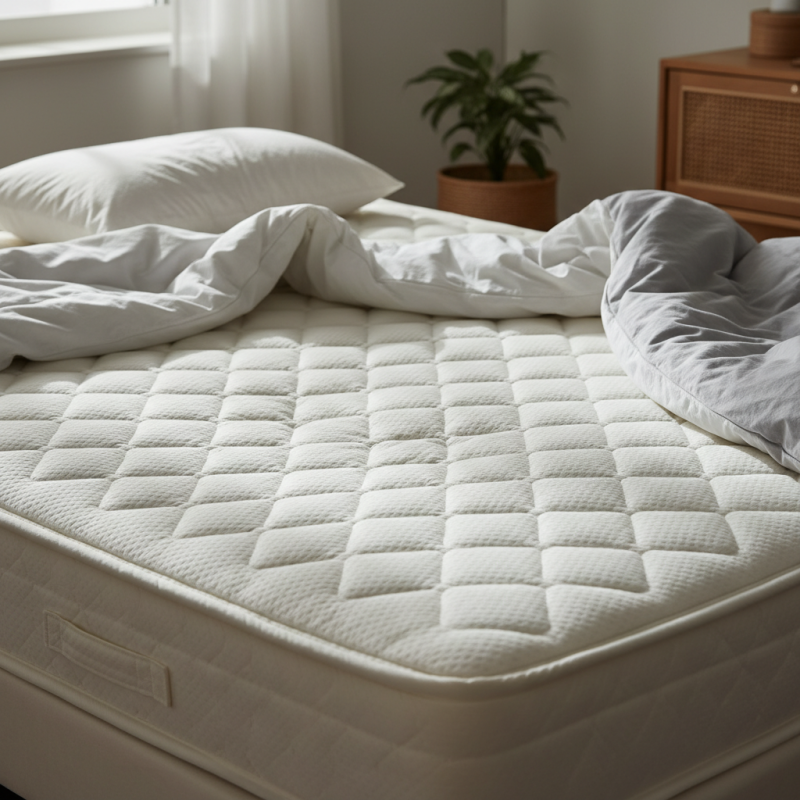
A sagging memory foam mattress can lead to discomfort and poor sleep quality. The symptoms are often easy to identify. You might notice uneven surfaces or dips in the middle of your bed. These depressions can create pressure points, disrupting restful sleep. If you wake up with body aches frequently, it could indicate your mattress is sagging.
Testing the firmness is essential. Push down on different areas of the mattress. Do some spots sink more than others? This could mean your mattress is losing its support. Look for visible signs of wear. A mattress that feels uneven or feels like a hammock may need fixing. These signs can develop over time, particularly if the mattress is older.
It’s also important to assess your sleeping position. Side sleepers may feel discomfort more acutely due to the lack of support. Back sleepers may find their spine alignment compromised. If you notice these challenges, you should consider addressing the issue promptly. Sleep is crucial for well-being. Ignoring these symptoms can lead to lasting discomfort.
| Symptoms | Possible Causes | Suggested Solutions |
|---|---|---|
| Visible Sags or Indentations | Material breakdown or compression. | Rotate or flip mattress if applicable; consider adding a mattress topper. |
| Feeling Uncomfortable while Sleeping | Loss of support in certain areas. | Use a firm mattress pad or buy a new mattress. |
| Back Pain Upon Waking | Inadequate spinal support due to sagging. | Consult a medical professional; consider replacing the mattress. |
| Increased Tossing and Turning | Discomfort from lack of support. | Add a mattress topper for additional comfort. |
| Noticeable Odors or Moisture | Accumulation of sweat and bacteria. | Regular cleaning and airing out of the mattress; consider a protective cover. |
: Look for uneven surfaces or dips. Check for pressure points causing discomfort. Frequent body aches upon waking may indicate sagging.
Push down on various areas. If some parts sink more, your mattress may be losing support. This is a warning sign.
An uneven feel or a hammock-like shape can indicate wear. Older mattresses often show these signs over time.
Start by checking the foundation for strength. A good base is crucial for support. Plywood under sagging areas helps.
Yes, rotating can help distribute wear evenly and prolong its lifespan. Consider doing this quarterly for best results.
Use a sturdy foundation and rotate regularly. Limit heavy impacts and check for wear. This maintains your mattress effectively.
Side sleepers may feel discomfort more due to lack of support. Back sleepers could experience spine alignment issues.
Yes, a high-density topper provides temporary support. It extends mattress life while you consider long-term solutions.
A protector guards against moisture and dust mites, enhancing durability. It's a simple way to maintain hygiene and extend life.
Regular checks are vital. If sagging becomes noticeable, it's time to assess your mattress. Don’t wait for discomfort to grow.
In addressing the question, "Why is my memory foam mattress sagging in the middle?", it’s crucial to first identify the symptoms, which often include noticeable dips or discomfort when sleeping. Understanding the underlying causes, such as wear and tear, improper support, or inadequate maintenance, can help in diagnosing the issue.
The article provides a comprehensive step-by-step guide for repairing a sagging mattress, which includes solutions like rotating the mattress, adding support under it, or using a mattress topper as a temporary fix. Additionally, selecting the right type of base or foundation is essential to prevent further sagging. To mitigate future issues, implementing preventive measures such as regular maintenance and proper care can help maintain the mattress's integrity over time.

 ADC Furniture