When considering the addition of a functional yet stylish piece to your dining area, the choice between a sideboard and a buffet often arises. What is the difference between a sideboard and a buffet? This question has been addressed by interior design expert, Sarah Johnson, who states, "Understanding the nuances between these two furniture types can elevate your home’s aesthetic and functionality."
Sideboards are typically lower and wider pieces, often used for storage and display. They are perfect for holding dishes, serving ware, and decorative items. Buffets, on the other hand, are usually taller and designed to serve food during gatherings. They often include extended surfaces for setting out dishes.
One must reflect on personal needs for space and style. The design may vary significantly, and individual preferences play a key role. If you have a smaller dining area, a sideboard might suit your needs better. However, if hosting large dinners is common, a buffet could be your best option. Understanding these differences can guide your selection process.
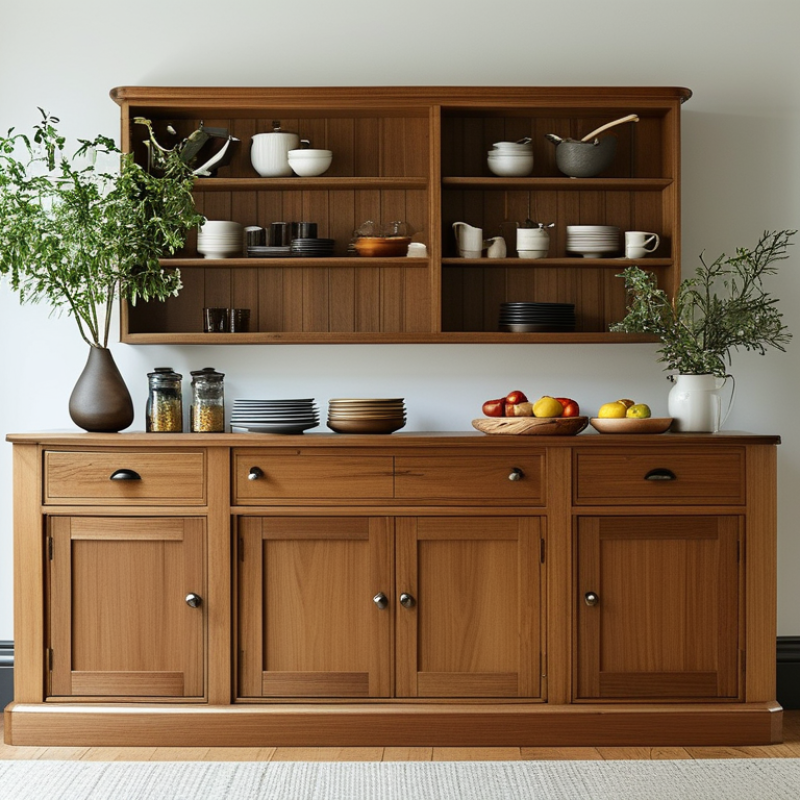
A sideboard is a versatile piece of furniture commonly found in contemporary interiors. It typically features a long, rectangular shape with multiple drawers and doors. This provides ample storage for dishes, linens, and other dining essentials. A sideboard can serve as a stylish display area for decorative items such as vases or framed photos. Its design often complements the overall decor, adding a touch of elegance to dining spaces.
In addition to its aesthetic appeal, a sideboard offers practical benefits. It can help declutter dining areas by keeping items organized and out of sight. Many sideboards come with adjustable shelves, allowing for customization based on your needs. However, some may find that they collect dust easily or require regular maintenance to stay looking their best. The overall functionality can vary widely depending on the design and size chosen.
When selecting a sideboard, it is essential to consider your space requirements and personal style. A well-chosen sideboard should enhance the area's character while serving a functional purpose. It's advisable to take measurements of your space before purchasing. Reflect on how the piece will fit within your interior, both visually and practically. That way, you can make a more informed decision that aligns with your lifestyle and design preferences.
| Feature | Sideboard | Buffet |
|---|---|---|
| Purpose | Mainly for storage and display | Primarily for serving food |
| Dimensions | Typically lower and wider | Usually taller and narrower |
| Design Style | Versatile, fits various styles | Often formal, suitable for dining areas |
| Storage Capacity | Higher storage capacity | Usually less storage volume |
| Common Materials | Wood, glass, or metal | Wood, often with ornate details |
| Typical Uses | Living room, hallway, or office | Dining room or kitchen |
: A buffet is a long, low cabinet designed for serving food during gatherings. It provides horizontal space.
Buffets store dinnerware and table linens. They also offer a dedicated area for food preparation and serving.
Consider your space. Sideboards are wider, while buffets are taller. Measure your room carefully before deciding.
Buffets range from traditional to modern designs. Choose one that complements your home's aesthetic for cohesion.
Sideboards have drawers and open shelves, while buffets offer larger cabinets for substantial items. Assess your storage needs.
Prioritize quality over quantity. A well-built piece lasts longer and often serves better than multiple lower-quality items.
Evaluating available space is vital. Oversized furniture can clutter an area, so reflect on size and layout before purchasing.
Use tape to outline dimensions on your floor. This helps picture how the furniture fits and flows in the room.
Many homeowners, around 67%, regret choosing oversized furniture. Balancing functionality with aesthetics is challenging.
Focusing solely on looks can lead to impractical choices. Reflect on both style and functionality for a better fit.
In the exploration of home furnishings, one common question arises: "What is the difference between a sideboard and a buffet?" A sideboard is typically a low storage unit featuring drawers and cabinets, ideal for contemporary interiors where it serves both storage and display purposes. On the other hand, a buffet is designed primarily for serving food, often with a flat top for placing dishes during meals and may include additional storage for dinnerware.
When choosing between a sideboard and a buffet, several factors must be considered, such as the available space, the desired style, and specific storage needs. Understanding these elements can help homeowners select the right piece to enhance their dining area, ensuring it meets both functional and aesthetic requirements. Ultimately, whether opting for a sideboard or a buffet, the choice should reflect personal taste and the overall design of the home.

 ADC Furniture