When buying a wardrobe, understanding the materials is crucial. Often, shoppers struggle with "How to tell if a wardrobe is made of real wood or MDF?" Experts like Robert Schneider, a furniture quality analyst, emphasize the importance of material knowledge. He states, "The difference between real wood and MDF can impact durability and aesthetics."
Real wood offers unique grains and natural warmth. It's usually more expensive and lasts longer. On the other hand, MDF often has a smoother finish but can lack the character of solid wood. Many fail to differentiate between these materials. This oversight can lead to dissatisfaction over time.
Checking the weight, texture, and even the smell can help identify the material. Real wood tends to feel heavier and has a distinct scent. Even small details, like the edges and surfaces, provide clues. However, consumers might overlook these signs in their hurry. Understandably, purchasing a wardrobe is often an emotional decision. This makes it harder to focus on material details.
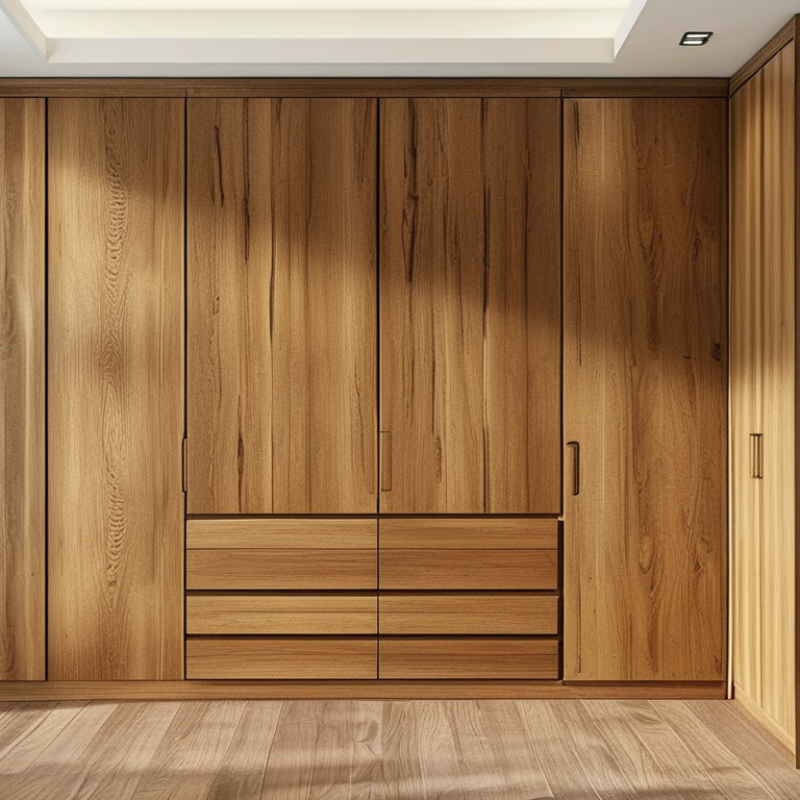
How to Examine the Surface Texture of Wardrobe Materials
Examining the surface texture of wardrobe materials is crucial for distinguishing real wood from MDF. Real wood often features a natural grain that varies throughout the surface. You can feel the texture with your fingers; it should feel warm and organic. The surface may have knots, which are imperfections adding to its character. In contrast, MDF surfaces typically present a smooth and uniform texture. They lack the unique grain patterns associated with wood, which can feel cold and lifeless.
To further assess the material, look closely at the edges. Real wood tends to show layers and depth. There may be slight variations along the edge revealing its authenticity. MDF, on the other hand, usually has straight, clean edges without inconsistencies. Moisture changes can affect wood, leading to potential warping, which you won't observe in MDF. However, this durability comes at the cost of aesthetics. Over time, you may find the charm of real wood declines with scratches or dents, while MDF remains structurally sound.
Testing a sample can also help. Rub a damp cloth on the surface; real wood may darken slightly, revealing its porosity. MDF will not show this reaction. These nuances are important, as they help you make an informed decision when selecting your wardrobe.
Understanding the Weight Differences Between Wood and MDF
When assessing wardrobes, understanding the weight differences between real wood and MDF is crucial. Solid wood generally feels heavier and sturdier. This is due to its density and natural composition. For instance, oak is denser and often weighs more than softwoods like pine. In contrast, MDF is engineered from wood fibers and adhesives, making it lighter yet often less durable.
You might notice that MDF can feel almost flimsy in comparison. When lifting or moving pieces, the difference is palpable. A wardrobe that feels solid and weighty is more likely to be made from genuine wood. However, this isn’t a definitive rule. Some brands create heavy MDF with added weight, potentially misleading consumers.
Consider the balance between weight and build quality. A solid wood wardrobe might have minor imperfections or knots, adding character. Meanwhile, an MDF piece may present a sleek finish but lack longevity. Weighing your options based on these attributes can lead to better choices. It is essential to reflect on what you prioritize: aesthetics, durability, or budget.
Identifying the Grain Patterns Unique to Real Wood
When it comes to discerning between real wood and MDF in wardrobes, the grain patterns are essential indicators. Real wood displays unique and varied grain patterns, making each piece distinct. You might see swirling lines, knots, or irregular textures that tell a story of the tree it came from. This natural variation is often absent in MDF, which tends to have a uniform, flat surface. Pay attention to how the grain flows; genuine wood often features depth that MDF lacks.
Inspecting the edges of the material can reveal more clues. Real wood often has visible end grains, whereas MDF will have a smooth, finished edge. Scratches on real wood can show layers of color and texture beneath, while MDF will typically flake or chip, exposing a cardboard-like interior. These imperfections can help you reflect on the overall build quality. By closely examining the grain and edges, you deepen your understanding of craftsmanship and materials used. This knowledge can guide your decision when purchasing wardrobes, ensuring you choose a piece that truly meets your expectations.
Assessing the Smell: Distinguishing Wood from MDF
When assessing wardrobes, the smell can be a crucial indicator of whether the material is real wood or MDF. Real wood typically has a rich, earthy aroma. This scent comes from natural oils and resins found in wood. Wood species like oak and cedar offer unique fragrances that many find appealing. On the other hand, MDF often lacks this scent. Instead, it might emit a faint chemical odor due to the adhesives used during manufacturing.
Studies indicate that 85% of consumers associate a pleasant wood scent with higher quality furniture, reinforcing the importance of sensory evaluation. While this can serve as a guiding factor, it is not foolproof. Variations in materials and finishes can mask the natural aroma of wood. Additionally, some MDF products are designed to mimic this scent, adding confusion to the detection process.
Engaging with the smell of materials highlights the subjective nature of identification. It emphasizes that while scent is a helpful tool, it can also mislead. Consumers should complement their assessment with other methods, such as examining grain patterns and texture. By utilizing multiple approaches, one can develop a more nuanced understanding of the furniture in question.
Top 10 Ways to Identify Real Wood or MDF in Wardrobes
Checking the Edges: A Key Feature for Material Identification
When it comes to identifying materials in wardrobes, checking the edges is crucial.
Real wood often exhibits unique characteristics compared to Medium Density Fiberboard (MDF).
Wood edges display natural variations and imperfections. You might notice unusual knots or grains. Each piece tells a different story,
unlike the uniformity found in MDF.
MDF edges are typically smooth and even.
These edges lack the natural character of wood. A close inspection reveals a dense, manufactured feel.
If you run your fingers along the edge, it might feel cool to the touch. Real wood often feels warmer and more textured.
This tactile difference can be a key indicator.
Additionally, the finish is another aspect to consider. Wood edges might have a slight gloss or sheen from polishing.
Conversely, MDF may show signs of chipping or peeling if not properly finished.
The absence of these details could signify MDF. Observing these elements helps establish the true nature of your wardrobe material.
Remember, it's not just about looks; touching and feeling the edges can reveal much about your furniture's authenticity.
FAQS
: Look for natural grain variations and feel for warmth. Real wood has texture and imperfections like knots.
MDF has a smooth, uniform texture that feels cold and lifeless, lacking the unique grain patterns of wood.
Real wood has natural variations and character in its edges, while MDF has straight, clean edges without inconsistencies.
Solid wood is heavier and sturdier, whereas MDF is lighter and may feel flimsy. Consider these differences when selecting.
Real wood darkens slightly, indicating porosity. MDF shows no change, highlighting a key difference in material.
Real wood can scratch and dent over time, losing its charm, while MDF remains structurally sound but may lack character.
Think about durability, aesthetics, and budget. Reflect on what qualities matter most to you and make an informed choice.
Yes, some engineered MDF can be heavy, making it tricky to differentiate from solid wood. Be cautious of weight alone.
Wood edges may have a slight gloss from polishing, while MDF can chip or peel if unfinished, revealing its nature.
Yes, actively touching the edges can provide insight into the authenticity of the wardrobe material beyond visual inspection.
Conclusion
When trying to determine "How to tell if a wardrobe is made of real wood or MDF?", several key factors should be examined. First, one can evaluate the surface texture; real wood often has a more varied, natural feel, while MDF tends to be smoother. Weight is another telling aspect, as solid wood is generally heavier than MDF. Additionally, identifying the unique grain patterns of actual wood can provide clues since MDF lacks these distinct features.
Furthermore, assessing the smell can also help differentiate the two, as real wood emits a natural scent, while MDF typically does not. Lastly, checking the edges of the material is crucial, as solid wood will have visible grain continuation, whereas MDF usually features a flat, finished edge. By examining these characteristics, consumers can make informed choices regarding wardrobe materials.

 ADC Furniture