Why Safe Materials Matter for Childrens Furniture Safety?

Time:2026-08-25 Author:Aria
0%

When choosing furniture for children, safety is a top concern. Parents want to create a secure environment for their little ones. One crucial aspect of this is the materials used in children's furniture. Not all materials are equal in terms of safety and health.

What are the best materials for children’s furniture safety? High-quality, non-toxic materials are essential. Wood, metal, and certain plastics can be safe options. However, the presence of chemicals and finishes can turn even the safest materials into hazards. Parents must be vigilant about these aspects.

The furniture industry has evolved, but concerns remain. Not every product on the market meets safety standards. It is important for consumers to research and choose manufacturers known for their commitment to safety. An informed decision helps in providing a safe play and rest environment for children.
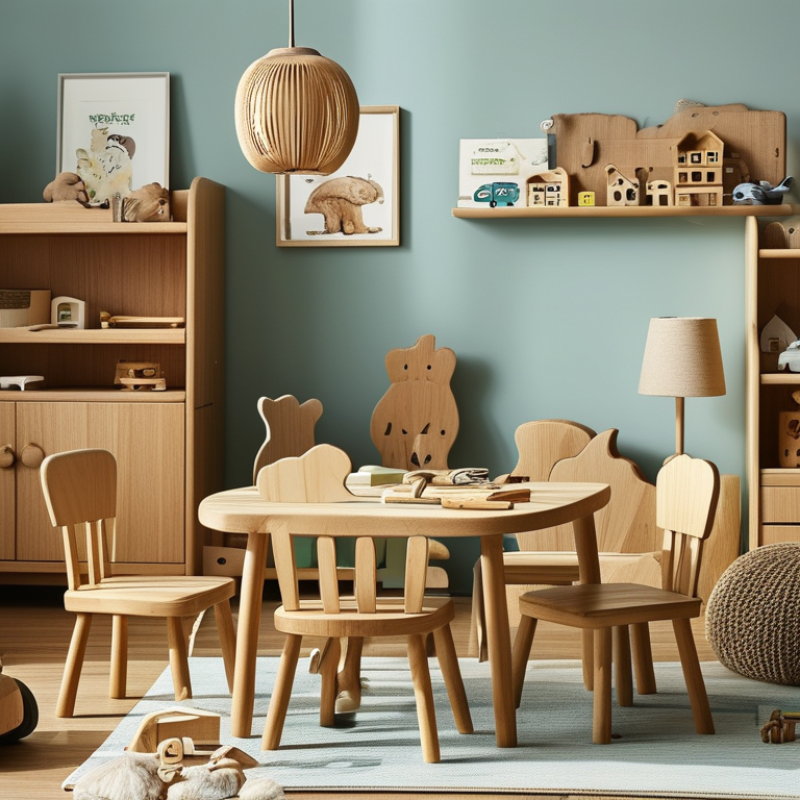
Why Safe Materials Matter for Childrens Furniture Safety?

The Importance of Safe Materials in Children's Furniture Design

When designing children's furniture, using safe materials is crucial. Children spend a significant amount of time playing, studying, and sleeping on these pieces. The materials in these items can directly impact their health. Harmful substances can leach into their environment. This risk emphasizes the need for thorough knowledge when selecting furniture.

Parents should look for items made from non-toxic materials. Many manufacturers now prioritize safety, but vigilance is necessary. Common materials used in furniture can include formaldehyde, lead, and phthalates. These chemicals can pose serious risks to a child’s development. Choosing sustainable wood, organic fabrics, and safe finishes helps ensure safety. It is essential to question how these materials are sourced and manufactured.

However, not all manufacturers disclose their material choices clearly. This lack of transparency can leave parents confused. It is vital to seek guidance from experts in children’s health and furniture design. Consulting resources can provide insights into which materials are genuinely safe. Parents may need to dig deeper to better understand their choices. Children deserve a safe space to grow and learn. Making informed decisions can significantly influence their well-being.

Why Safe Materials Matter for Children's Furniture Safety?

Overview of Common Harmful Materials in Children's Furniture

When it comes to children’s furniture, safety is paramount. Many materials used in production can pose serious risks. For instance, certain woods may contain harmful chemicals like formaldehyde. This substance can cause respiratory problems and irritate the skin. Families should be aware of these risks while choosing furniture.

Paints and finishes used on kids' furniture often contain volatile organic compounds (VOCs). These chemicals can off-gas into the air, affecting indoor air quality. Kids are especially vulnerable due to their developing bodies. Choosing furniture with low or no VOCs is essential for healthier environments.

Another concern is the use of flame retardants, commonly found in upholstered furniture. Although they are designed to improve safety, some flame retardants can disrupt hormones. Considering alternatives is crucial. Always look for products that prioritize natural materials and eco-friendly practices. By making informed choices, caregivers can create safer, healthier spaces for their children to grow and play.

Why Safe Materials Matter for Children’s Furniture Safety? - Overview of Common Harmful Materials in Children's Furniture

Material Common Uses Health Risks Safer Alternatives
Formaldehyde Particleboard, MDF Respiratory issues, allergies Plywood, solid wood
Lead Paint, coatings Neurological damage, developmental delays Non-toxic paints, natural finishes
Phthalates Vinyl flooring, plastic components Hormonal disruption, reproductive issues Biodegradable plastics, natural fibers
BPA (Bisphenol A) Plastic components, coatings Cancer risk, developmental issues BPA-free materials, glass
Toxic Flame Retardants Cushions, mattresses Hormonal disruptions, cancer Natural fibers, safer fire barriers

Industry Standards for Safety Certifications in Children's Furniture

When it comes to children's furniture, safety is paramount. The industry has established various safety certifications to ensure that products meet strict regulations. Organizations like the Consumer Product Safety Commission (CPSC) and ASTM International set guidelines for materials and construction methods. Reports suggest that nearly 60% of children's furniture products have passed safety tests. However, not all furniture on the market meets these standards, which creates a challenge for consumers.

It’s essential to check labels for certifications like GREENGUARD Gold or CertiPUR-US. These indicate that the materials used are free from harmful chemicals and safe for children. Reports highlight that exposure to certain hazardous substances can lead to respiratory and developmental issues. Understanding these certifications can guide parents in making informed choices.

When selecting furniture, look for non-toxic finishes and sturdy construction. Choose solid wood over particle board when possible. This reduces the risk of harmful chemical exposure. Parents should also consider environmental impact. Using sustainably sourced materials often leads to safer products. Observing industry trends can help you stay informed about potential safety issues. Balancing price with safety can be tough, but it’s crucial for your child's well-being.

Impact of Toxic Chemicals on Child Health and Development

Toxic chemicals in children's furniture pose significant risks to health and development. Research from the Environmental Protection Agency reveals that some common materials, like formaldehyde and phthalates, can lead to serious respiratory issues and hormonal disruptions in children. These compounds often outgas into indoor environments, where young children spend a large portion of their time.

The CDC reports that exposure to toxic chemicals can interfere with a child's cognitive development. Elevated lead levels, often found in older furniture and paints, can lead to lasting behavioral problems and decreased IQ. An estimated 1 in 3 American homes has lead hazards, underscoring the need for safer choices in children's environments. Each bit of exposure compounds risk, making the use of safe materials in furniture crucial for promoting a healthy childhood.

Parents often overlook these hazards. While the allure of attractive furniture can be strong, safety should be paramount. Opting for items certified as low in VOCs (volatile organic compounds) can mitigate risks. Ultimately, awareness and informed choices about materials are vital to ensure a safer space for children to grow and thrive.

Trends in Eco-Friendly Materials for Safer Children's Furniture

Eco-friendly materials are increasingly important for children's furniture. These materials help ensure a safe environment for our little ones. Reports indicate that around 30% of childhood illnesses stem from toxic substances in household products. Therefore, using non-toxic, sustainable materials can significantly reduce these risks.

Recent trends show a shift towards organic textiles and natural wood. For instance, a study by the American Environmental Protection Agency revealed that children are more vulnerable to harmful chemicals. Furniture made from bamboo or reclaimed wood is becoming popular due to its durability and low environmental impact. These materials are not only safer but also financially smart, as they often last longer than conventional options.

However, the industry still faces challenges. Certifications for eco-friendly materials can be confusing. Some manufacturers may capitalize on the trend without providing validated data. Parents must remain vigilant and seek clear information about the materials used in furniture for their children. The debate over what constitutes "safe" continues, highlighting the need for transparency in product labeling.

FAQS

: Why is using safe materials in children's furniture important?

: Safe materials are crucial as children spend a lot of time on furniture. Harmful substances can impact their health.

What are some harmful materials found in children's furniture?

Common harmful materials include formaldehyde, lead, and phthalates. These can pose serious risks to children's development.

How can parents ensure they choose safe furniture?

Parents should look for non-toxic materials. Consulting experts can also help guide their choices in safe furniture.

What are VOCs, and why are they a concern?

VOCs are volatile organic compounds found in paints and finishes. They can affect air quality and impact children’s health.

Are eco-friendly materials truly safe for children?

Eco-friendly materials reduce harm. However, parents must verify certifications and seek transparency from manufacturers when purchasing.

What types of materials are trending in safe children’s furniture?

Trending materials include organic textiles and natural woods like bamboo. They last longer and have a lower environmental impact.

How can flame retardants affect children's health?

While flame retardants improve safety, some can disrupt hormones. Considering alternatives is essential for better health outcomes.

Why might parents feel confused about material choices?

Not all manufacturers disclose materials clearly, leaving parents unsure. Seeking guidance from reliable sources is important.

What role do children’s health experts play in furniture selection?

Experts provide insights into safe materials. Consulting them can help parents make informed and healthier choices for their children.

How can emotional responses affect furniture choices for children?

Parents often feel pressure to provide the best. This can lead to impulsive choices, highlighting the need for thorough research.

Conclusion

The safety of children's furniture is paramount, as it directly impacts the well-being and development of young users. Safe materials play a critical role in this context, protecting children from harmful substances often found in furniture, such as formaldehyde, lead, and phthalates. Understanding what are the best materials for children’s furniture safety involves examining industry standards for safety certifications and recognizing the importance of eco-friendly alternatives.

By transitioning to non-toxic, sustainable materials like bamboo, organic cotton, and water-based finishes, manufacturers can reduce the risk of exposure to toxic chemicals. As awareness grows, trends in eco-friendly materials are evolving, providing safer options for parents seeking to foster a healthy environment for their children. Ultimately, prioritizing safe materials in children's furniture design is essential for ensuring a safe and nurturing space for development.

Aria

Aria

Aria is a dedicated marketing professional with a deep passion for innovative strategies and a keen understanding of our company's product offerings. With a wealth of experience in the industry, Aria excels at crafting engaging content that highlights the unique features and benefits of our......