Why Use a Mattress Topper on a Firm Bed for Better Sleep?

Time:2026-08-15 Author:Isabella
0%

Choosing the right bedding can transform your sleep experience. Many people find firm mattresses provide great support. However, they can also lead to discomfort. This raises the question: "Why should I use a mattress topper for a firm bed?"

Studies indicate that around 70% of adults report issues related to sleep quality. A firm mattress may contribute to pressure points, resulting in discomfort. A mattress topper can provide the necessary cushioning. According to the Sleep Foundation, a soft layer on top can relieve pressure and support spinal alignment.

Incorporating a mattress topper can improve sleep quality significantly. A survey by Sleep Judge found that 90% of users felt more comfortable with a topper. It’s a practical solution to balance support and comfort. Solutions that work for one person may not work for another. Personal preference plays a crucial role in sleep satisfaction. Hence, exploring options and finding the right fit is essential for achieving restful sleep.
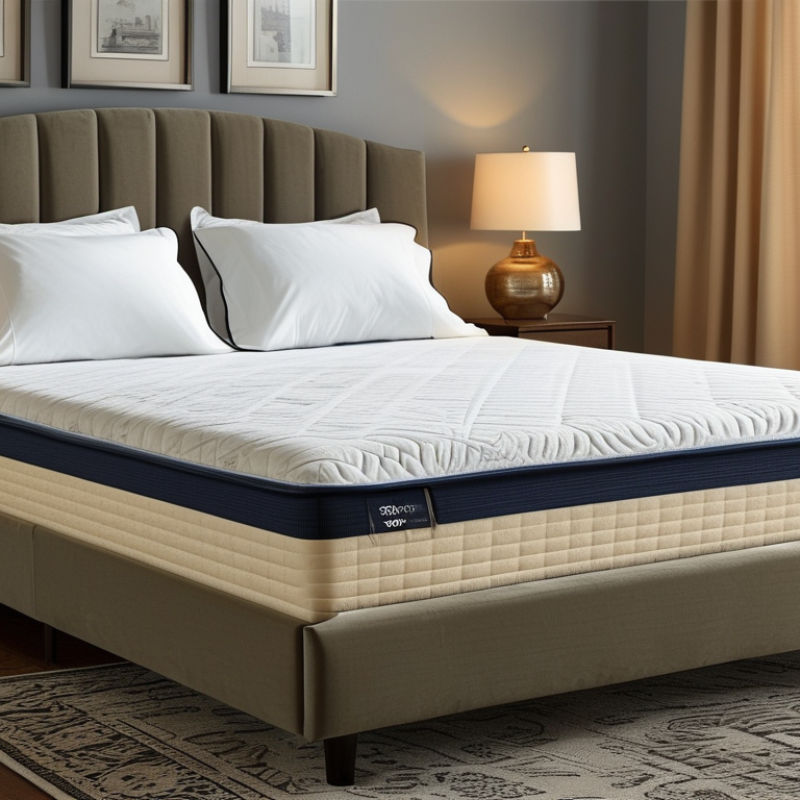
Why Use a Mattress Topper on a Firm Bed for Better Sleep?

Benefits of a Mattress Topper on a Firm Bed for Enhanced Comfort

A mattress topper can greatly enhance the comfort of a firm bed. Many people struggle with stiff mattresses that provide little cushioning. A good topper adds a layer of softness and support, allowing for a more restful sleep. This is especially useful for those with back pain or joint issues.

Choosing the right material matters. Memory foam can contour to your body, relieving pressure points. Alternatively, latex offers a bouncier feel, which can help with movement during sleep. Some might prefer cooling gel-infused toppers for better temperature regulation. These details can significantly affect how well you sleep.

While a mattress topper improves comfort, it also requires proper care. Regularly cleaning and rotating is essential for longevity. Many people overlook these tasks, leading to wear and tear. A topper can be a great investment, but it’s not a one-size-fits-all solution. Some may find it makes the bed too soft. Adjusting to the change can take time. Reflecting on what works best for your sleep needs is vital.

Understanding Different Types of Mattress Toppers and Their Features

When considering mattress toppers, it’s essential to understand the various types available. Memory foam toppers provide excellent contouring, hugging your body for support. They can alleviate pressure points, making sleep more comfortable. However, they may retain heat, which can disturb some sleepers.

Latex toppers offer a different benefit. They are breathable and provide a buoyant feel. This type can be beneficial for those who need support but prefer a cooler sleep environment. Though durable, latex can be heavy and difficult to maneuver.

Another option is feather or down toppers. They create a plush feel and add softness to a firm mattress. This option might not work for allergy sufferers, so it's essential to consider personal health needs. Each type has its pros and cons, highlighting the importance of personal preference in selecting the right topper for better sleep.

How Mattress Toppers Can Alleviate Pressure Points While Sleeping

Sleeping on a firm mattress can lead to discomfort for many individuals. Research indicates that excessive firmness may create pressure points. According to the National Sleep Foundation, nearly 80% of people report experiencing some form of sleep-related discomfort. Mattress toppers can bridge this gap, adding a softer layer that conforms to the body's needs.

A quality topper alleviates these pressure points. It distributes body weight evenly, reducing strain on key areas, such as the hips and shoulders. This can lead to improved sleep quality. The Journal of Pain Research highlights that a softer sleeping surface reduces reported pain levels, enhancing overall sleep satisfaction. Many individuals find relief and a better night's rest simply by integrating a topper into their nightly routine.

Tips to consider: When choosing a mattress topper, look for materials like memory foam, which contours to your body. Opt for a thickness of at least 2 to 3 inches for optimal support. Regularly check your topper for wear and replace it every 3 to 5 years for continuous comfort. Listening to your body’s needs can make a significant difference in your sleep quality.

The Impact of Mattress Toppers on Sleep Quality and Restfulness

A firm mattress can provide essential support. However, it may not suit everyone’s comfort needs. Mattress toppers can enhance sleep quality significantly. They add a layer of softness that can cushion pressure points. Studies show that over 50% of participants report better sleep with a topper.

In a recent survey by the Sleep Foundation, nearly 80% of respondents said comfort is their highest priority for sleep. A good mattress topper can improve comfort, leading to deeper sleep. The National Sleep Foundation indicates that better sleep improves cognitive function and mood. Meeting these sleep needs is essential for overall well-being.

Moreover, the choice of material matters. Memory foam toppers can contour to the body, reducing pain in sensitive areas. However, they may retain heat, which some find bothersome. Latex options offer a cooler option but can be firm. The quest for perfect sleep is personal. Understanding sleep habits is crucial.

Why Use a Mattress Topper on a Firm Bed for Better Sleep? - The Impact of Mattress Toppers on Sleep Quality and Restfulness

Mattress Type Topper Material Sleep Quality Rating (out of 10) Restfulness Rating (out of 10) Pressure Relief Rating (out of 10)
Firm Memory Foam Viscoelastic Foam 8.5 8.0 9.0
Extra Firm Pocket Coil Latex 7.5 7.0 8.0
Firm Hybrid Gel-Infused Foam 9.0 9.0 9.5
Very Firm Latex Polyester Fiber 7.0 6.5 7.5
Firm Innerspring Down Alternative 6.5 6.0 6.5

Choosing the Right Mattress Topper for Your Firm Bed Needs

When selecting the right mattress topper for a firm bed, consider your sleep style and body weight. A study by the Sleep Foundation indicates that individuals weighing under 130 pounds benefit from softer toppers. These provide crucial cushioning for pressure points, promoting better alignment.

For those over 230 pounds, a denser, firmer topper may offer the best support. Medium-firm options have been shown to enhance sleep quality for a broad range of sleepers. According to research from the National Sleep Foundation, around 74% of people using a mattress topper reported improved comfort.

Experimenting with materials is also key. Latex toppers offer bounce and cooling, while memory foam contours to your body. Understanding your preferences can prevent dissatisfaction. Trying out different types may lead to unexpected insights. Make sure to carefully assess your needs before making a decision, as the perfect topper resembles a personal journey.

FAQS

: What are mattress toppers used for?

: Mattress toppers add softness to firm mattresses, relieving pressure points and improving comfort while sleeping.

How do mattress toppers impact sleep quality?

They enhance comfort, leading to better sleep, reduced pain, and improved overall satisfaction during rest.

What materials should I consider for a mattress topper?

Memory foam contours well to the body, while latex offers a cooler feel but may be firmer.

How thick should a mattress topper be for optimal support?

A thickness of at least 2 to 3 inches is recommended to provide adequate cushioning and support.

How often should I replace my mattress topper?

It’s good to check for wear and replace your topper every 3 to 5 years to maintain comfort.

Does body weight influence the choice of mattress topper?

Yes, individuals under 130 pounds may prefer softer toppers, while those over 230 pounds might require denser options.

Can I mix different types of mattress toppers?

Experimenting with various materials can help find what suits your comfort needs best, though it may require trial and error.

Are all mattress toppers suitable for everyone?

No, sleep preferences vary. A topper that suits one person may not meet another's comfort or support needs.

How important is understanding my sleep habits?

It’s crucial for choosing the right topper. Knowing your preferences can prevent regrets and enhance sleep quality.

Are there downsides to mattress toppers?

Some materials, like memory foam, can retain heat, which might disturb some sleepers’ comfort.

Conclusion

A mattress topper can significantly enhance the comfort of a firm bed, addressing common concerns about pressure points and sleep quality. By using a mattress topper, individuals can experience improved sleep by reducing discomfort associated with a too-firm surface. Different types of toppers, including memory foam, latex, and down alternatives, offer unique features that cater to various sleep preferences and needs.

When considering "Why should I use a mattress topper for a firm bed?", it's essential to recognize how these toppers alleviate pressure points, ultimately contributing to a more restful sleep. The right mattress topper not only improves comfort but also enhances overall sleep quality, allowing for a more rejuvenating rest. Therefore, selecting the appropriate type of mattress topper tailored to your specific requirements can make a significant difference in your sleep experience.

Isabella

Isabella

Isabella is a dedicated marketing professional with a sharp focus on driving brand growth and engagement through strategic content creation. With an extensive background in digital marketing, she combines her passion for storytelling with her keen understanding of industry trends to deliver......