How to store seasonal clothes in a wardrobe with limited space? This is a common dilemma for many. Renowned home organization expert Marie Kondo offers insight by saying, "Clutter is not just what you see; it's also what's in your mind." The challenge arises when trying to find a balance between keeping your space tidy and making sure you have access to the clothes you need.
Seasonal clothes often take up valuable space. With limited wardrobe capacity, it’s crucial to implement smart storage solutions. Utilizing vacuum bags can save significant space and keep clothes protected. Consider using vertical space efficiently; hanging organizers can hold accessories and more. Every inch counts in a small wardrobe.
Reflecting on your wardrobe habits might reveal that you hold onto items you rarely wear. Identifying what you truly need can reduce clutter. Creating a system for rotation will make it easier to switch out seasonal clothing. Remember, your goal is to create a functional and accessible wardrobe. Embrace the journey to better space management; it may not be perfect, but each small step counts.
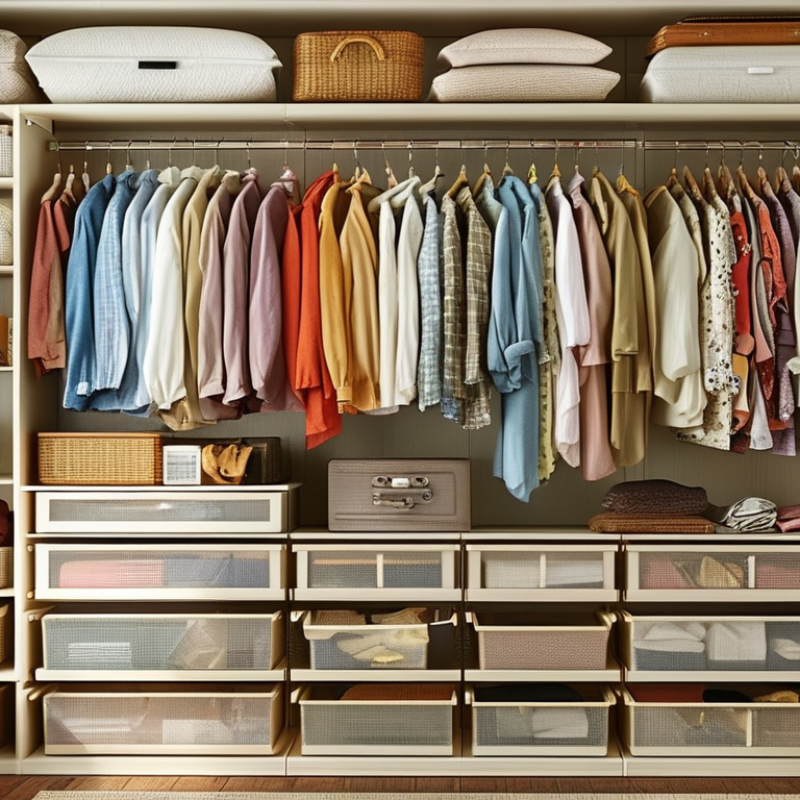
When assessing your current wardrobe space, start by evaluating what you truly need. Look at your clothes from past seasons. Are there pieces you haven’t worn? Perhaps it’s time to let them go. This not only frees up space but also helps you identify items you value and rely on.
Consider organizing your clothing by type or season. Using clear bins allows you to see what's stored away. Label each container for quick access. This method can significantly reduce clutter. It gives every item a dedicated space.
Tips: To maximize space, try vacuum-sealed bags for bulky winter coats. They reduce space and protect fabrics. Hang seasonal clothing in succession, based on temperature. This makes it easier to transition between seasons. Lastly, always reassess your wardrobe; your needs evolve over time. Evaluate regularly to maintain a functional and organized space.
This chart represents the quantity of clothing items stored for each season. Maximizing wardrobe space involves assessing which seasonal items to store and how much space is utilized based on the number of items for spring, summer, fall, and winter.
When it comes to seasonal clothing storage, choosing the right containers is crucial. According to a study by the American Home Furnishings Alliance, around 61% of people report having cluttered closets. Using appropriate storage solutions can significantly reduce this issue. Opt for breathable bins made of materials like cotton or canvas to avoid moisture buildup. Plastic containers can also work, but ensure they are ventilated.
Tip: Always label your storage bins. This speeds up the process of finding items when the seasons change.
Consider vacuum-sealed bags for items you won't need for months. These bags compress garments, saving space while protecting them from dust and pests. Research indicates that using such bags can increase closet capacity by up to 75%. However, keep in mind that improper sealing might lead to mildew. Always double-check the seal before putting them away.
Invest in stacking bins if you're short on space. They maximize vertical storage, making organization easier. But beware of overloading them; this could lead to accidents or damaged clothes. Proper planning and the right containers can transform your storage game.
Organizing seasonal clothes starts with categorization. Group items by type, like winter coats, summer dresses, and accessories. This organization helps you see what you own. A clear view makes it easier to determine what to keep or donate. You might have pieces you haven’t worn for years. Reflect on what truly fits your style and lifestyle.
Once categories are established, consider usage frequency. Items you wear often need easy access. Store infrequently used items in the back or top shelves. Clear bins or vacuum-sealed bags can safeguard fabrics. Label everything for quick identification. This approach prevents the frustration of digging through piles.
Finally, reevaluate your storage system regularly. Seasonal changes often bring shifts in fashion and needs. Each time you transition your wardrobe, take a moment to assess. Are there things that no longer serve you? Adjust your storage solution as needed. This ensures your wardrobe remains a well-organized and efficient space.
| Category | Usage Frequency | Recommended Storage Method | Optimal Container Type |
|---|---|---|---|
| Winter Clothes | Seasonal | Vacuum-sealed bags | Sturdy plastic bins |
| Summer Clothes | Seasonal | Fold and stack | Fabric bins |
| Formal Wear | Occasional | Hanging in garment bags | Garment bags |
| Activewear | Regular | Fold and shelve | Open bins |
| Accessories | Year-round | Organize into smaller bins | Small storage boxes |
Maximizing wardrobe space for seasonal clothes storage can be quite a challenge. Implementing effective space-saving techniques is essential. One simple approach is to use vacuum storage bags. They compress clothes, freeing up significant space. This method is particularly effective for bulky winter coats or heavy sweaters.
Using sturdy organizers helps too. Consider adding shelves or drawer dividers to separate items. This keeps your wardrobe tidy and allows you to see everything at a glance. Group similar items together. For example, store all summer dresses on one shelf. It makes retrieval quicker and easier.
Ultimately, it’s worth reflecting on what you truly need. Seasonal clothes can pile up and take over space. Regularly review your wardrobe and donate what you no longer wear. This not only frees up space but also simplifies your choices. It's about creating a system that works for you. Remember, even a small change can lead to a significant improvement in your wardrobe space.
Managing seasonal clothing can be a daunting task. The key is to rotate and maintain your wardrobe throughout the year. This ensures you have the right items ready at the right time. Consider organizing clothes by seasons. Keep summer dresses, shorts, and swimwear accessible during the warmer months. On the flip side, pack away winter coats, scarves, and boots in airtight bins. This not only saves space but also keeps items clean and fresh.
Regularly inspect stored clothes for pests and moisture. Use cedar blocks or scented sachets to ward off unwanted insects. When taking out seasonal clothes, give them a thorough check. Look for stains or damages. If you notice anything amiss, tackle repairs immediately. Ignoring these issues might lead to bigger problems later. As seasons change, reassess your wardrobe. What no longer fits? What styles have you outgrown? Embrace this opportunity for reflection and growth in your personal style.
: Breathable bins made from cotton or canvas are ideal. Plastic containers can work if they have ventilation.
Using vacuum-sealed bags compresses clothes, saving space significantly. This technique can increase closet capacity by up to 75%.
Ensure bags are properly sealed before storage. Double-check the seal to avoid any moisture issues.
Group items by type and usage. Frequently worn clothing should be easily accessible, while seldom-used items can go higher up.
Labeling bins speeds up finding items. It reduces frustration when switching between seasons, making organization easier.
Regular reassessments are crucial, especially with seasonal changes. Reflect on what you wear and adjust storage accordingly.
Overloading can cause accidents or damage clothes. It's important to plan storage to avoid these risks.
They help separate items, keeping your wardrobe tidy. This allows for a clear view of everything stored, enhancing accessibility.
Consider donating them. This not only clears space but also simplifies your choices.
Regularly review and adjust your storage methods. Even small changes can lead to significant improvements in organization.
To effectively manage limited wardrobe space when considering how to store seasonal clothes, it is essential to first assess your current storage situation and identify your needs. This includes evaluating what clothing items you own and how often you use them. Next, selecting the right storage containers can significantly enhance organization and accessibility. Choose breathable bins or vacuum-sealed bags to protect your seasonal garments while keeping them easily retrievable.
Organizing your clothes by category—such as summer or winter and by frequency of use—can streamline the process further. Implementing space-saving techniques, like utilizing vertical space or under-bed storage, will maximize your available area. Lastly, maintaining and rotating your seasonal clothing throughout the year not only ensures optimal use of space but also keeps your wardrobe fresh and organized. Following these steps can answer the question of how to store seasonal clothes in a wardrobe with limited space effectively.

ADC Furniture