Protecting outdoor patio furniture from rain is a common concern for homeowners. According to Sarah Green, an expert in outdoor living spaces, "The right protection can significantly extend the life of your patio furniture." Many people overlook the importance of proper care. Rain and moisture can lead to rust, mold, and deterioration.
To keep your furniture looking great, it's essential to consider a few strategies. Using weather-resistant materials can be a wise long-term investment. Additionally, you might want to invest in high-quality covers specifically designed for your furniture. These not only shield against rain but also against UV rays.
Ultimately, when thinking about how to protect outdoor patio furniture from rain, small efforts can lead to significant results. Even with protective measures, it's a challenge to keep everything in perfect condition. Regular maintenance and timely adjustments can make a big difference in the longevity of your furniture. Embrace the process, as every step counts in preserving your outdoor space.
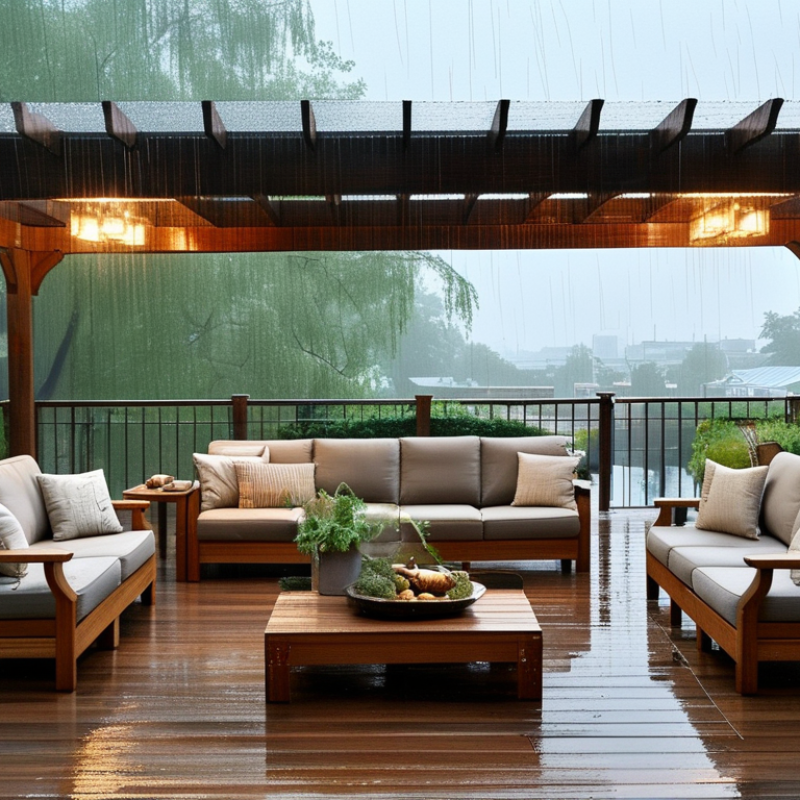
Understanding the Risks of Rain for Outdoor Patio Furniture
Outdoor patio furniture often faces significant risks from rain. Prolonged exposure to moisture can lead to mold growth, rust, and deterioration of materials. According to the American Society for Testing and Materials, untreated wood furniture can absorb water, causing it to swell and crack. Metal components may rust, especially if left unprotected. This can result in costly replacements and hinder your outdoor enjoyment.
To help protect your patio furniture, consider investing in waterproof covers. These covers shield against rain and prevent water accumulation. When choosing a cover, look for breathable materials to reduce condensation. It’s essential to secure the covers well. Wind can easily displace them, leading to unexpected exposure. Regularly check for any damage or wear on the covers.
Additionally, routine maintenance is crucial. Clean your furniture regularly to remove dirt and debris that can trap moisture. Use a soft cloth to wipe down surfaces during dry spells. A quick inspection before rainy seasons can save your furniture. Watch for signs of wear or rust. Addressing these issues promptly can extend the life of your outdoor investments.
Choosing the Right Materials for Weather-Resistant Furniture
When selecting outdoor patio furniture, opting for weather-resistant materials is crucial. High-density polyethylene (HDPE) is a popular choice. This synthetic material imitates wood but is much more durable. Unlike natural wood, HDPE does not warp or splinter. It also resists fading from sunlight, making it ideal for sunny locations.
Another excellent option is aluminum. Lightweight yet sturdy, aluminum furniture can withstand heavy rains and strong winds. It doesn’t rust due to its protective coating, ensuring longevity. For cushions, consider polyester or acrylic fabrics. These materials are often treated to be water-resistant and UV-resistant. They offer comfort while standing up to the elements.
It’s important to reflect on your local climate. If you live in an area with heavy rain, consider additional coverings. A canopy or tarp can provide extra protection and extend the life of your furniture. Sometimes, even the best materials may require regular maintenance. Reinforcing your furniture with proper care can help mitigate wear and tear.
Effective Cover Options for Protecting Your Patio Furniture
To effectively protect your outdoor patio furniture from rain, choosing the right cover is essential. According to a 2022 report by the Outdoor Furniture Association, nearly 75% of homeowners experience weather-related damage to their outdoor furniture. A quality cover can reduce this risk significantly. Waterproof and UV-resistant materials are vital in preventing moisture and sun damage. Look for covers that feature breathable fabric to prevent mold and mildew buildup.
Custom-fit covers offer the best protection. They snugly enclose your furniture, minimizing exposure to elements. Additionally, weighted hems and adjustable straps help keep the covers secure during storms. However, not all covers are created equal. A common mistake is choosing aesthetic over functionality. Many homeowners opt for attractive designs, neglecting durability. Invest time in researching material specifications to ensure longevity.
Some might overlook storage options, yet proper storage can enhance the lifespan of your furniture. While using a cover is critical, consider storing items indoors during severe weather. It’s a balance between protection and accessibility. Ultimately, assessing your local climate can guide your decisions. If rain is frequent in your area, opting for high-quality protective covers becomes a necessity.
How to protect outdoor patio furniture from rain effectively? - Effective Cover Options for Protecting Your Patio Furniture
| Cover Type |
Material |
Water Resistance |
UV Protection |
Durability |
Price Range |
| Heavy-Duty Tarps |
Polyethylene |
High |
Moderate |
Very Durable |
$20 - $50 |
| Custom-Fit Covers |
Canvas |
High |
High |
Moderately Durable |
$50 - $150 |
| Waterproof Furniture Covers |
Vinyl |
Very High |
Low |
High |
$30 - $80 |
| Mesh Covers |
Polyester |
Moderate |
High |
Moderately Durable |
$25 - $60 |
| Outdoor Storage Boxes |
Resin |
High |
Very High |
Very Durable |
$100 - $300 |
Maintenance Tips to Enhance Durability Against Rain Damage
Outdoor patio furniture often faces harsh rain, leading to deterioration. To protect your investment, maintenance is essential. Start by ensuring your furniture is resistant to water damage. Selecting materials like metal or treated wood can significantly enhance durability.
Regular cleaning is vital. Moisture can lead to mold and mildew. Use a soft brush and mild detergent to clean cushions and surfaces. If you notice stains or discoloration, act quickly. Wet spots can worsen if left untreated. Drying furniture thoroughly after a rain can prevent moisture buildup.
Protective covers are a good option, too. These covers shield your furniture from rain and debris. Make sure they fit snugly. Loose covers can trap moisture underneath, leading to damage. Additionally, consider storing cushions indoors during inclement weather. It’s a small step that can extend their lifespan. Remember, regular inspections will help you catch issues early.
Storing Outdoor Furniture During Heavy Rain or Off-Season
During heavy rain or the off-season, storing outdoor furniture properly is essential for maintaining its longevity. Begin by cleaning your furniture thoroughly. Remove any dirt or debris that can cause staining or mold. Use a soft cloth and mild soap. Rinse well and let it dry completely.
Next, consider the storage space. An enclosed garage or shed is ideal. If that’s unavailable, invest in high-quality furniture covers. These covers should be waterproof and breathable. This helps prevent moisture buildup while shielding your furniture from rain and UV rays.
Remember to check your furniture periodically, even while stored. Look for signs of dampness or pests. Adjust your storage methods based on weather changes. Not all materials react the same way to moisture. Reflect on your experiences each season to improve your storage routine.
FAQS
: The right cover protects outdoor furniture from weather-related damage, which affects many homeowners.
Look for waterproof, UV-resistant, and breathable materials to prevent moisture and sun damage.
Custom-fit covers snugly enclose furniture, minimizing exposure to elements and providing better protection.
Many choose attractive designs over durability, forgetting that functionality is crucial for protection.
Proper storage can enhance the lifespan of your furniture, especially during severe weather conditions.
Regular cleaning and drying your furniture after rain can help prevent mold and deterioration.
Use a soft brush and mild detergent for cleaning. Dry furniture thoroughly after rain to avoid moisture buildup.
Store cushions indoors during poor weather to extend their lifespan and keep them dry.
Understanding your climate helps guide your choices for protective covers and maintenance needs.
Regular inspections allow you to catch issues early before they lead to more significant damage.
Conclusion
To effectively address the question of "How to protect outdoor patio furniture from rain?", it’s crucial to first understand the risks that rain poses to various materials used in outdoor furniture. Water exposure can lead to rust, mold, or wood rot, diminishing the longevity of your investments. Selecting weather-resistant materials such as aluminum or synthetic wicker can help mitigate these risks.
Utilizing effective cover options is another way to shield your furniture from rain. High-quality, waterproof covers can safeguard against moisture when the furniture is not in use. Additionally, regular maintenance, such as cleaning and sealing wooden pieces, enhances durability against rain damage. During heavy rainstorms or off-seasons, proper storage is recommended to further protect your furniture from the elements, ensuring it remains in excellent condition for years to come.

 ADC Furniture