Anchoring heavy bookcases to the wall is crucial for safety, especially in homes with children or pets. According to a report by the Consumer Product Safety Commission (CPSC), thousands of injuries occur each year due to furniture tipping over. This emphasizes the need for secure anchoring to prevent accidents.
James B. Matthews, a home safety expert, states, "Securing furniture is not just a precaution; it's a responsibility." His insights highlight the importance of understanding how to anchor heavy bookcases to the wall for safety. The risk becomes even greater in earthquake-prone areas, where unstable furniture can lead to devastating injuries.
While many might overlook this task, it can significantly reduce risks. Simple tools and techniques can make a difference. DIY methods vary, but the key is to use appropriate anchors and follow installation guidelines carefully. Taking the time to ensure that your bookcases are anchored properly can save lives and provide peace of mind.
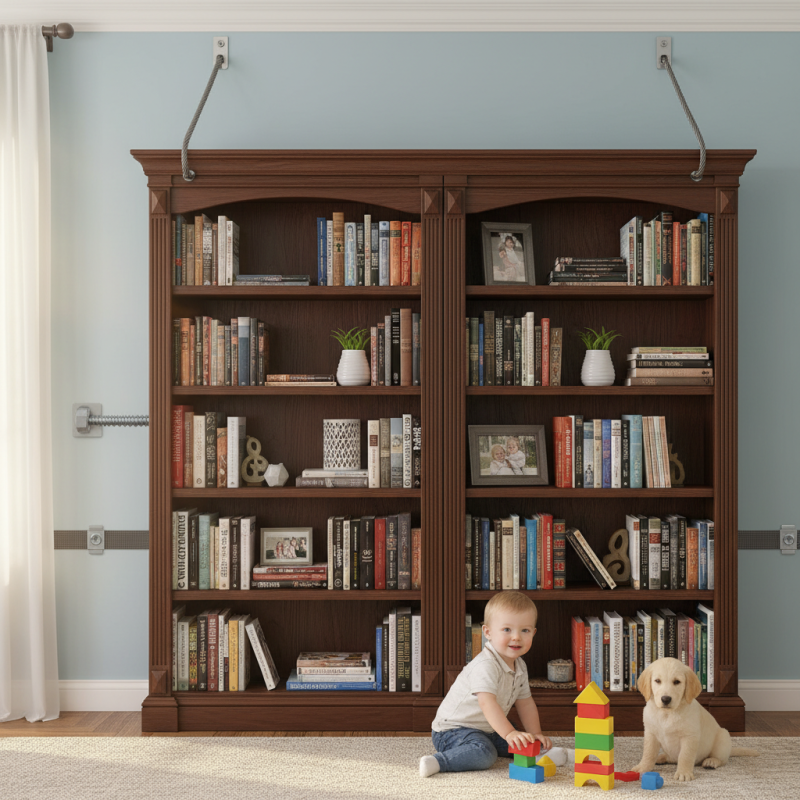
Heavy bookcases are more than just storage. They can be a serious hazard if not secured properly. Understanding the importance of anchoring these pieces of furniture can save lives and prevent accidents. Falling bookcases can cause injuries, especially to children or pets. The weight and height of a tall bookcase make it particularly prone to tipping. Therefore, anchoring should be seen as essential, not optional.
Proper anchoring methods can provide stability and peace of mind. Use wall anchors or brackets to secure the bookcase to the wall. It’s crucial to locate wall studs for a secure hold. Many people overlook this step and use drywall alone. This can lead to unfortunate results. Regularly checking the stability of your installed anchors is also vital. Over time, anchors may loosen. A simple inspection can prevent potential disasters.
There is always room for improvement when it comes to safety. Some may prefer to rely solely on furniture weight, thinking it will keep everything in place. This belief can lead to dangerous situations. Awareness and proactive measures are key. Safe anchoring transforms your living space into a secure environment. A little effort now can avoid serious consequences later.
When anchoring heavy bookcases, selecting the right materials is crucial. According to the American Society of Home Inspectors, approximately 30% of all accidents involving furniture tip-overs could be prevented with proper anchoring. This highlights the importance of using suitable hardware and tools.
For drywall installations, toggle bolts or molly bolts are effective. They secure heavy items without compromising wall integrity. In contrast, wooden studs provide solid anchoring points for lag bolts or screws. Always use a stud finder to avoid mishaps. Often, DIY enthusiasts overlook this detail, leading to inadequate support.
Additionally, consider load ratings of all hardware. While a single anchor may seem sufficient, it’s often better to use multiple points. This can distribute weight and reduce the risk of failure. Industry reports suggest that setups with at least two anchoring points experience fewer tip-over incidents. Review the manufacturer's guidelines for weight limits to ensure safety.
Anchoring heavy bookcases to the wall is crucial for safety. Many people overlook this step. A top-heavy bookcase can easily tip over, especially in homes with children or pets. Knowing how to secure it is essential. Gather the right tools before you start. You will need wall anchors, screws, and a level.
Begin by locating wall studs. Use a stud finder for accuracy. Mark the spots where the screws will go. Attach the wall brackets to the bookcase. Ensure they are secure and level. Push the bookcase against the wall once the brackets are in place. Use a drill to insert screws into the studs through the brackets. Take your time here. Rushing can lead to mistakes.
After anchoring, check stability. Gently pull on the bookcase to ensure it doesn’t move. If it wobbles, reconsider the placement of the brackets or screws. Some people struggle with finding the right balance in securing items. Reflect on your method. Was it effective? Each step is vital for preventing accidents. Safety should always be the priority.
Anchoring heavy bookcases to the wall is crucial for safety. It prevents tipping over, which can lead to serious injuries. Many people overlook this step, thinking their heavy furniture is stable. However, a small nudge can cause it to fall, especially in households with children or pets.
Using appropriate wall anchors is essential. For drywall, use toggle bolts or heavy-duty picture hangers. Ensure you locate studs, as they provide better support. If you're not sure about your wall type, seek expert advice. A mistake could compromise the stability of your setup. Always read instructions carefully before starting.
Regularly check the anchors for wear and tear. Over time, anchors can loosen or degrade. It’s easy to forget about these small details until it’s too late. Take a moment to ensure things are secure. An extra effort in this part of setup can significantly enhance safety in your home.
| Step | Description | Tools Needed | Safety Tip |
|---|---|---|---|
| 1 | Select the appropriate location for the bookcase. | Tape Measure | Ensure the bookcase is away from high traffic areas. |
| 2 | Use a stud finder to locate wall studs. | Stud Finder | Always anchor into studs for better support. |
| 3 | Mark the spots for drilling based on the bookcase's height. | Pencil | Double-check measurements before drilling. |
| 4 | Drill holes into the wall at marked spots. | Drill | Use proper drill bits for wall type. |
| 5 | Attach brackets or straps to the top of the bookcase. | Screwdriver | Ensure screws are tightly secured. |
| 6 | Secure the bookcase to the wall using the brackets. | Screws | Check stability by gently pulling the bookcase. |
| 7 | Load the bookcase evenly and avoid overloading. | Books and other items | Keep heavy items on lower shelves. |
Maintaining secured bookcases is crucial for safety and stability. Regularly check the anchors and bolts every few months. A loose anchor can lead to tipping or falling. Use a level to ensure the bookcase remains upright over time. This simple step prevents potential accidents, especially in homes with children or pets.
Dust is another concern. Dust buildup can hide structural issues. Take a cloth and wipe down surfaces and edges regularly. Pay attention to the areas near the wall where the bookcase is anchored. Look for signs of wear, such as paint cracks or wood splintering. These can indicate underlying problems that need addressing.
Consider rearranging books periodically. A balanced load keeps the bookcase stable. If one side is heavier, it may lean. Avoid overcrowding or stacking books in an unstable manner. Reflect on whether your current setup is functional. A little maintenance goes a long way in ensuring your bookcase remains sturdy and safe.
: Proper anchoring prevents accidents. About 30% of furniture tip-overs can be avoided.
You will need wall anchors, screws, a stud finder, and a level.
Use a stud finder to locate reliable anchor points. Mark the spots accurately.
For drywall, toggle or molly bolts work well. Wooden studs require lag bolts or screws.
At least two anchoring points are recommended. This helps distribute weight and improve stability.
Check stability by gently pulling on the bookcase. Ensure it doesn’t wobble or move.
Revisit your bracket and screw placement. Make adjustments if necessary for better support.
Many underestimate the risks. Rushing the process can lead to mistakes and safety issues.
Reflect on your process after completion. Consider if every step was followed correctly.
Improper anchoring can lead to serious accidents. Always prioritize safety in your home.
When considering "how to anchor heavy bookcases to the wall for safety," it’s essential to understand why anchoring is crucial. Heavy bookcases can pose significant risks, especially in homes with children or during earthquakes, if not properly secured. By selecting the right anchoring materials and tools, you can ensure stability and prevent accidents.
The process involves a straightforward, step-by-step guide that highlights how to properly attach the bookcase to the wall. Best practices include checking the wall type, using appropriate hardware, and regularly inspecting the anchor points to maintain safety over time. Ultimately, safeguarding your bookcases not only protects your belongings but also enhances the overall safety of your living space.

ADC Furniture